

A show about relationships with the land
There are many ways to listen to the show: Listen live on CFRU 93.3 fm broadcasting from the University of Guelph Mondays at 6pm EST or listen to the podcast via Spotify, Apple, or just follow the rss feed.
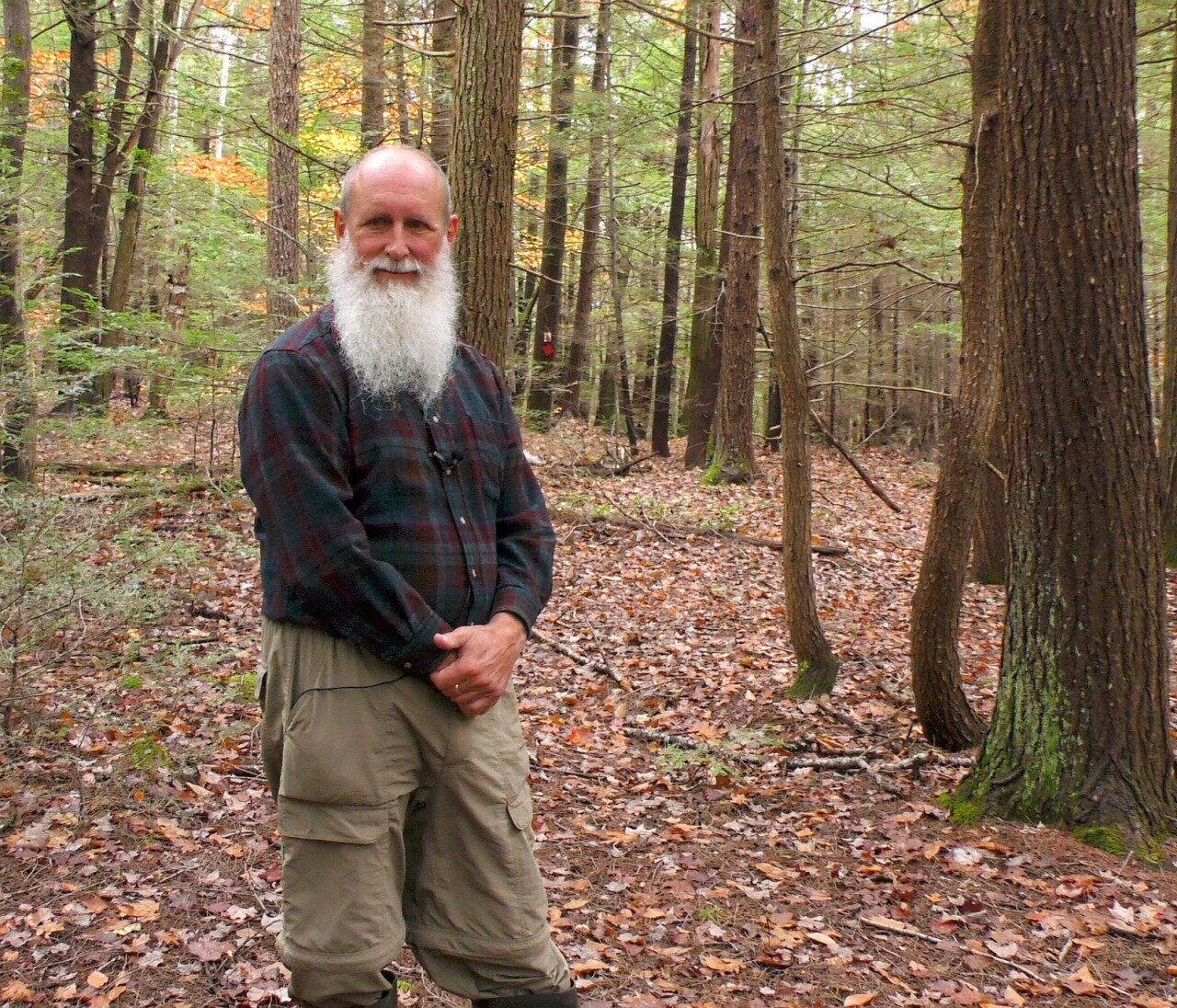
Interview with Tom Wessels, Terrestrial Ecologist (from the archives)
Interview with author, educator, terrestrial ecologist and inspiration, Tom Wessels.
Tom has written extensively on “forest forensics” and what I call “landscape tracking”, learning to read the signs of the forest to identify the ecological history and disturbance events which have affected that landscape. We talk about his books, ways we can imagine the future based on models of organization seen in nature, his ecological knowledge. Well worth the listen.
This interview was originally broadcast November 18, 2019.
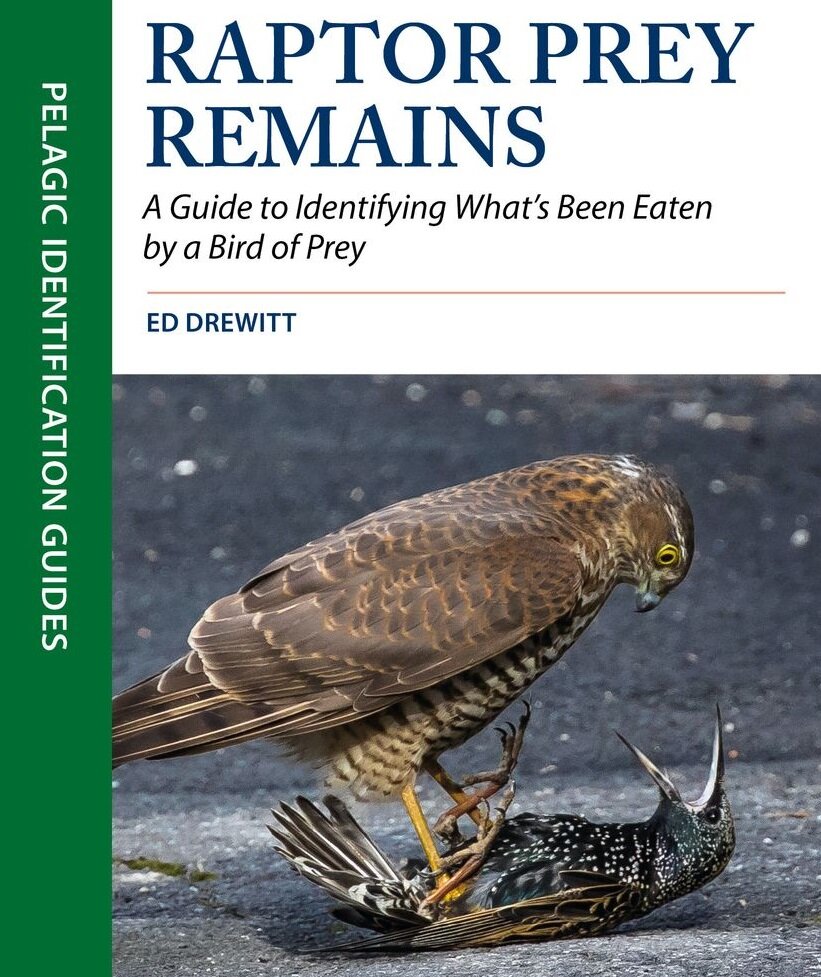
Ep. 142 : Raptor Prey Remains with Ed Drewitt
For Episode 142 I get to talk to Ed Drewitt, naturalist, Peregrine Falcon researcher, and author of Raptor Prey Remains : A guide to identifying what’s been eaten by a bird of prey. We talk about raptor ecology on the broad sense and also get focus on Peregrines.
It was a nice and relaxed interview, with Ed sharing so much of what he has learned through his years of observation and study, and how his book can help those who are getting started in the world of tracking birds of prey by learning to correctly identify that which they prey upon.
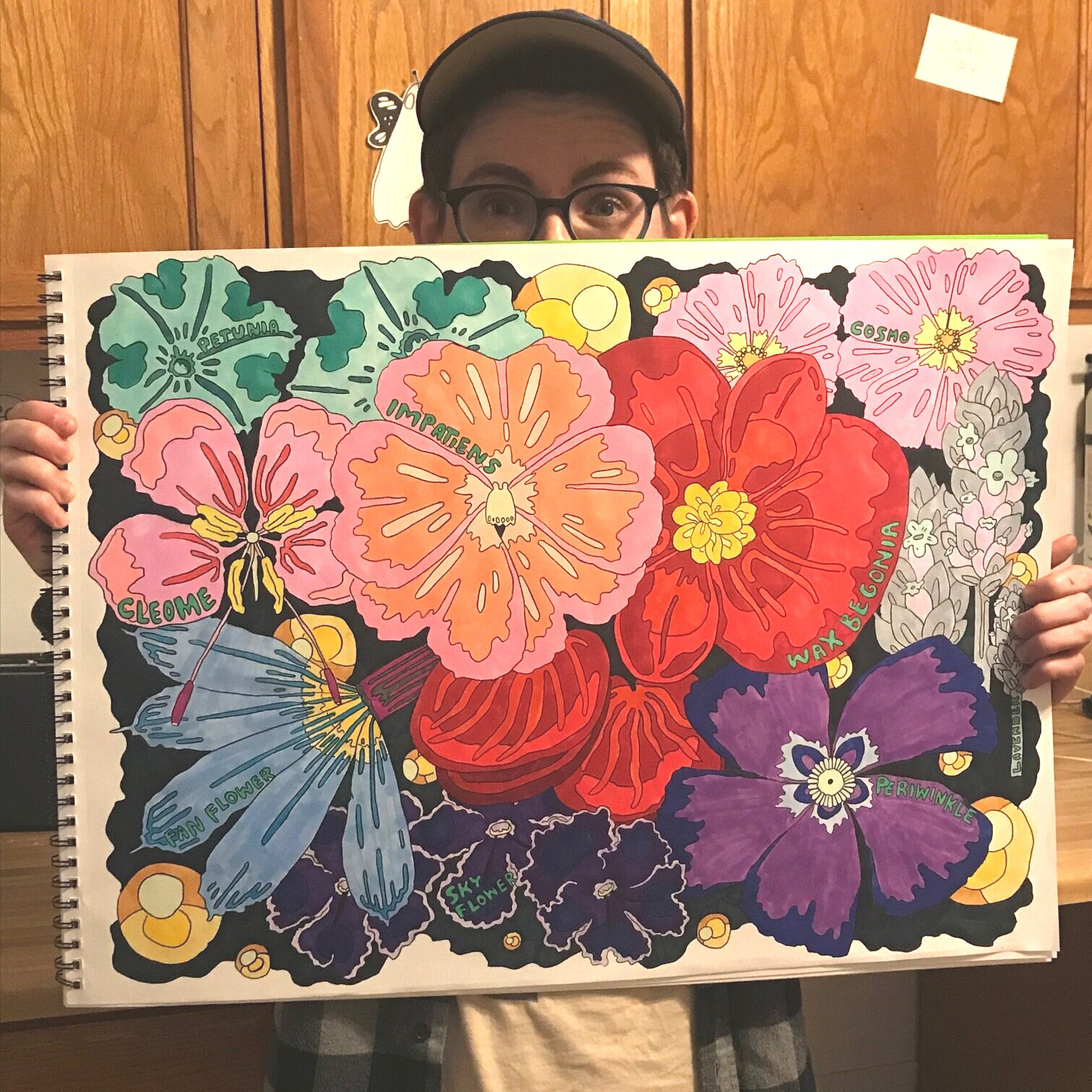
Ep. 141 : Talking to Jam Doughty, non-binary nature educator, and creature drawer
How do we talk to the young people in our lives about our the complexities in the world around us? What about the subtleties and possibilities within our own experiences of ourselves? How do you challenge those we work with and for to push beyond lip service to racial equity and create real solidarity in our daily jobs? How does one do this amidst a culture of white supremacy, heterocentrism, and a pandemic, seemingly getting more and more out of hand?
All this and more in conversation with Jam Doughty, non-binary nature educator, and creature drawer
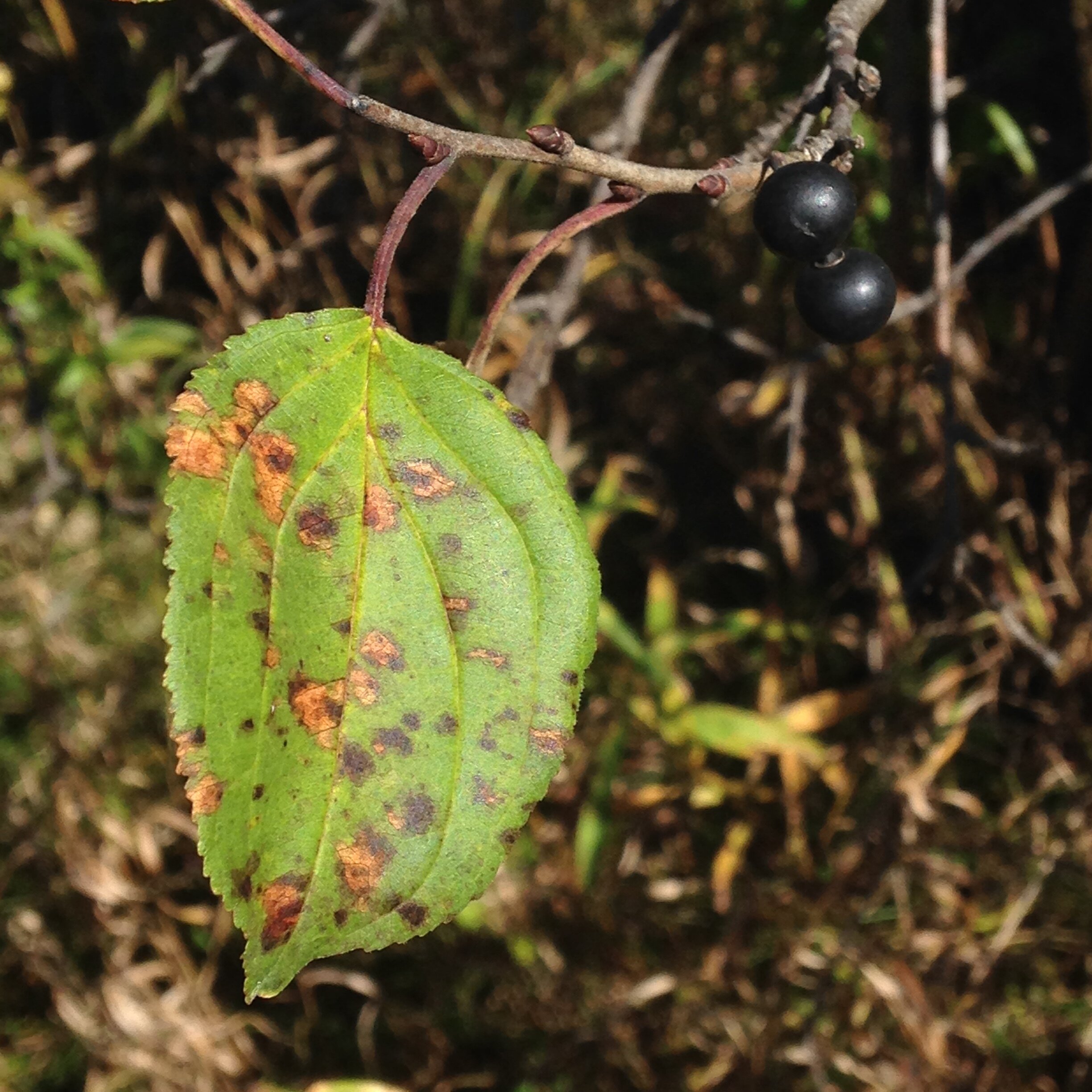
Ep. 140 : (Re-)Considering Buckthorn
Rhamnus cathartica, or Common Buckthorn, is a non-native species that many love to hate. But what if we try to look at the species as a whole, trying to understand a little better, trying to learn a bit more about the relationships which are built around Buckthorn?
Language of the Birds (from the archives)
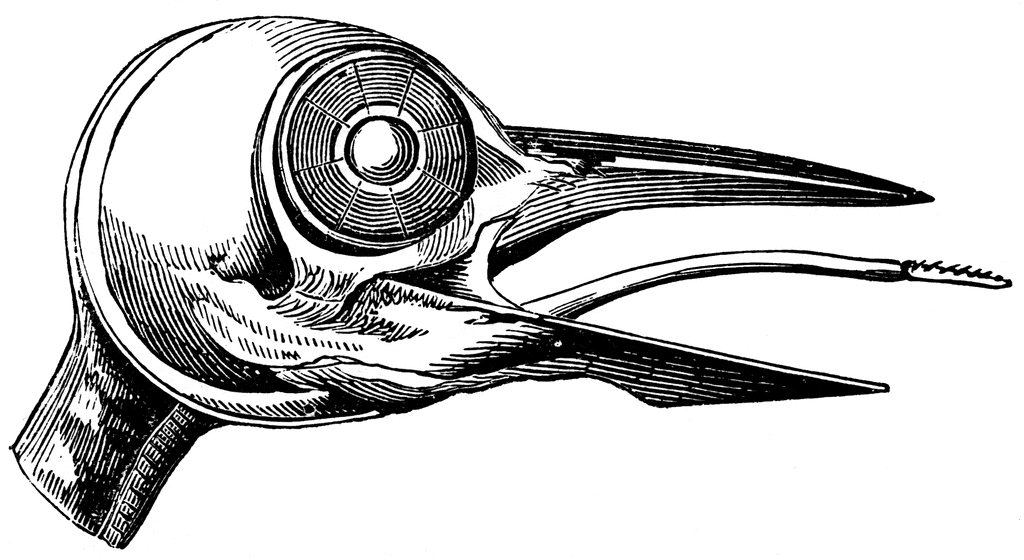
A look into some of the varied ideas of what the Language of the Birds might mean. Less of the tracking and scientific approach to bird language, but instead exploring the mythic knowledge, fairy tales and legends, and history of “the language of the birds”.
Originally aired August 12, 2019.

Ep. 139 : Hawk Cliff
Going to Hawk Cliff to go watch migrating Raptors with some dear friends, is becoming a bit of a pilgrimage for me. It’s only the second time I’ve gone there, but the quality of the experience is profound. To get to see these Birds whom, when you see individually during your everyday, it is always a highlight of the day. But to go see hundreds of these amazing predatory birds is just astounding. What a gift.
Queer Nature (from the archives)
Danielle and I speak with Pinar and So of Queer Nature about how it might look feel and be to queer and decolonize our understandings of who we are in connection with the places we live. How can we interrupt the dominant narrative of ecologies viewed through the lenses of heterocentric, capitalist, white supremacis colonial narratives? Does the land make space for divergent identities, life ways and lifeforms? How do we as queer folks who seek to learn more about ancestral skills and the land bases we live on practice on lands we may not be ancestrally connected to?
Originally aired April 9th, 2018.

Ep. 138 : Walking through the tall grass with Matt Iles, Bird Biologist
Matt Iles has been studying birds for about 12 years. He is humble, thoughtful and a wonderful teacher. He has taught me a lot and is a treasured friend and colleague. For this show we walk through the old fields of tall grass, Goldenrods, and assorted shrubs asking questions about his career as a bird biologist, about bird migrations, and his upcoming workshop.
Ep. 137 : Dr. Mark Elbroch and The Cougar Conundrum
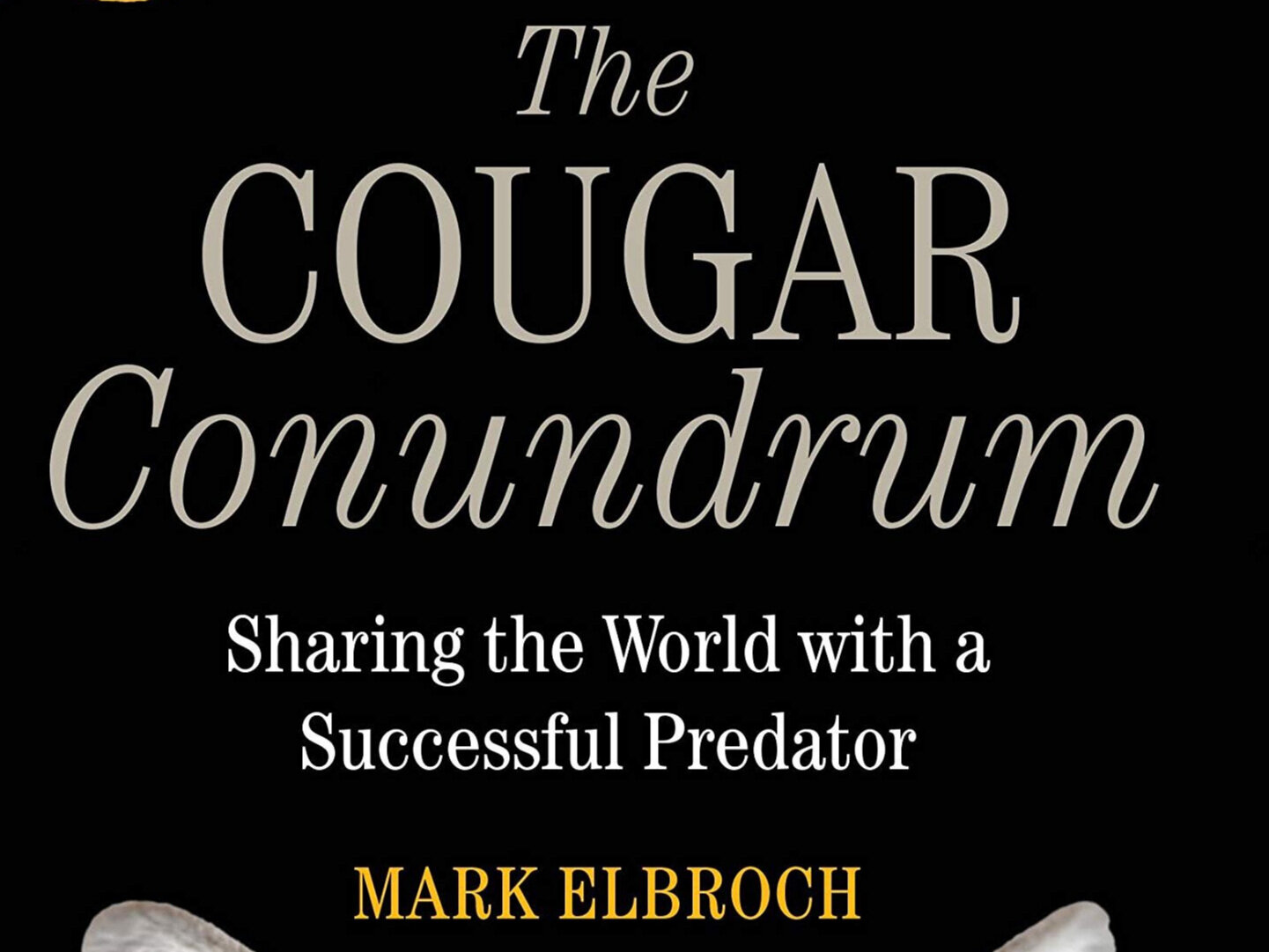
Wonderful interview with Mountain Lion biologist and author Dr. Mark Elbroch, talking about his new book "The Cougar Conundrum : Sharing the World with a Successful Predator".
Mark Elbroch shares some Cougar natural history and we hear his thoughts on the role media can play in Cougar conservation and his work with Panthera, a large Cat conservation organization protecting Cats around the world.
Prison Connections (from the archives)
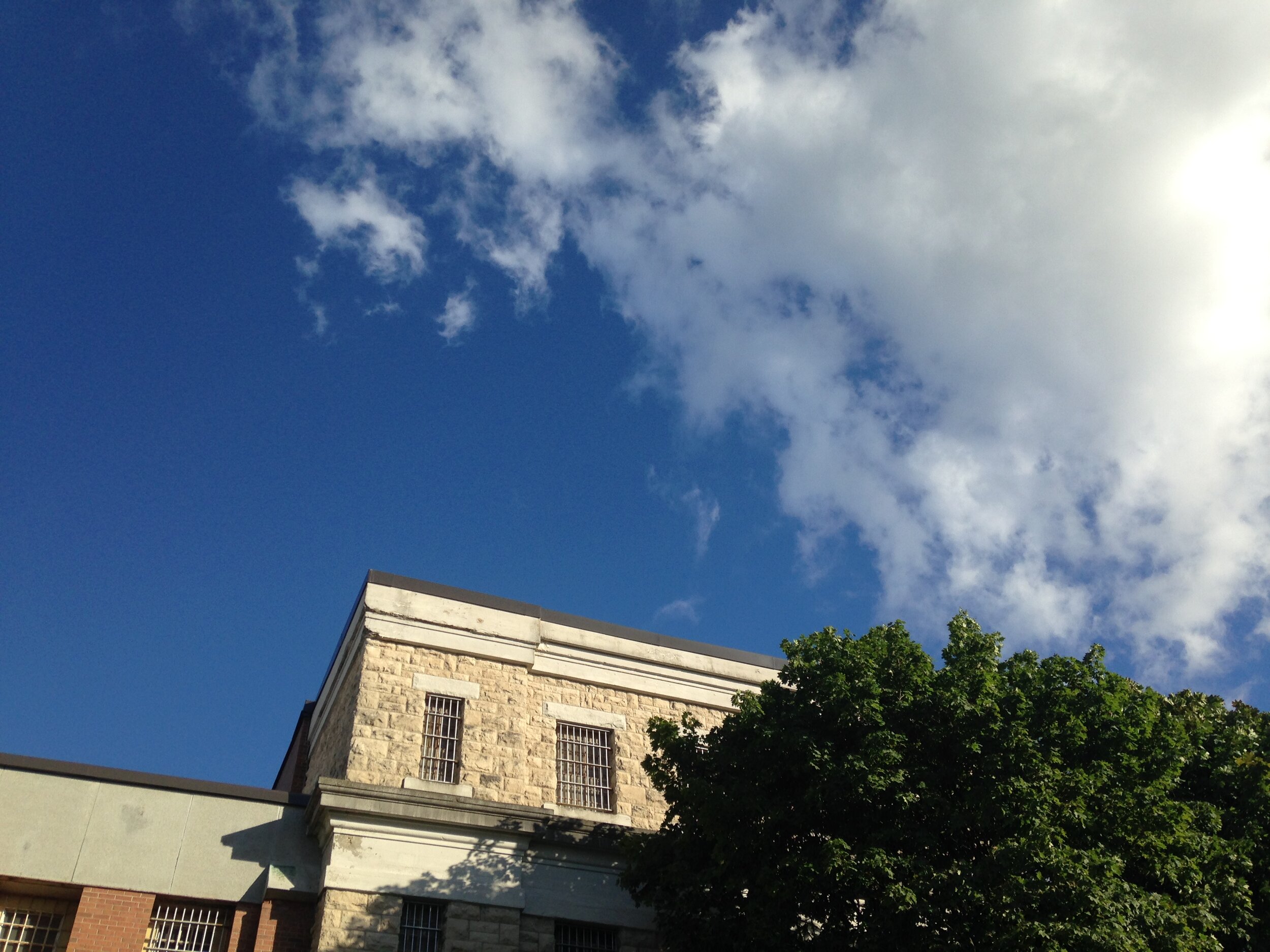
Sometimes it is hard to find ways to connect with the landbase in our daily lives but imagine how it might be trying to challenge this disconnect while locked up?
Prisons are terrible places that don't really do much towards healing. They really just replicate the ways our culture hurts us. But there are renegades. Today we hear some of those stories.
Originally aired January 16, 2017.
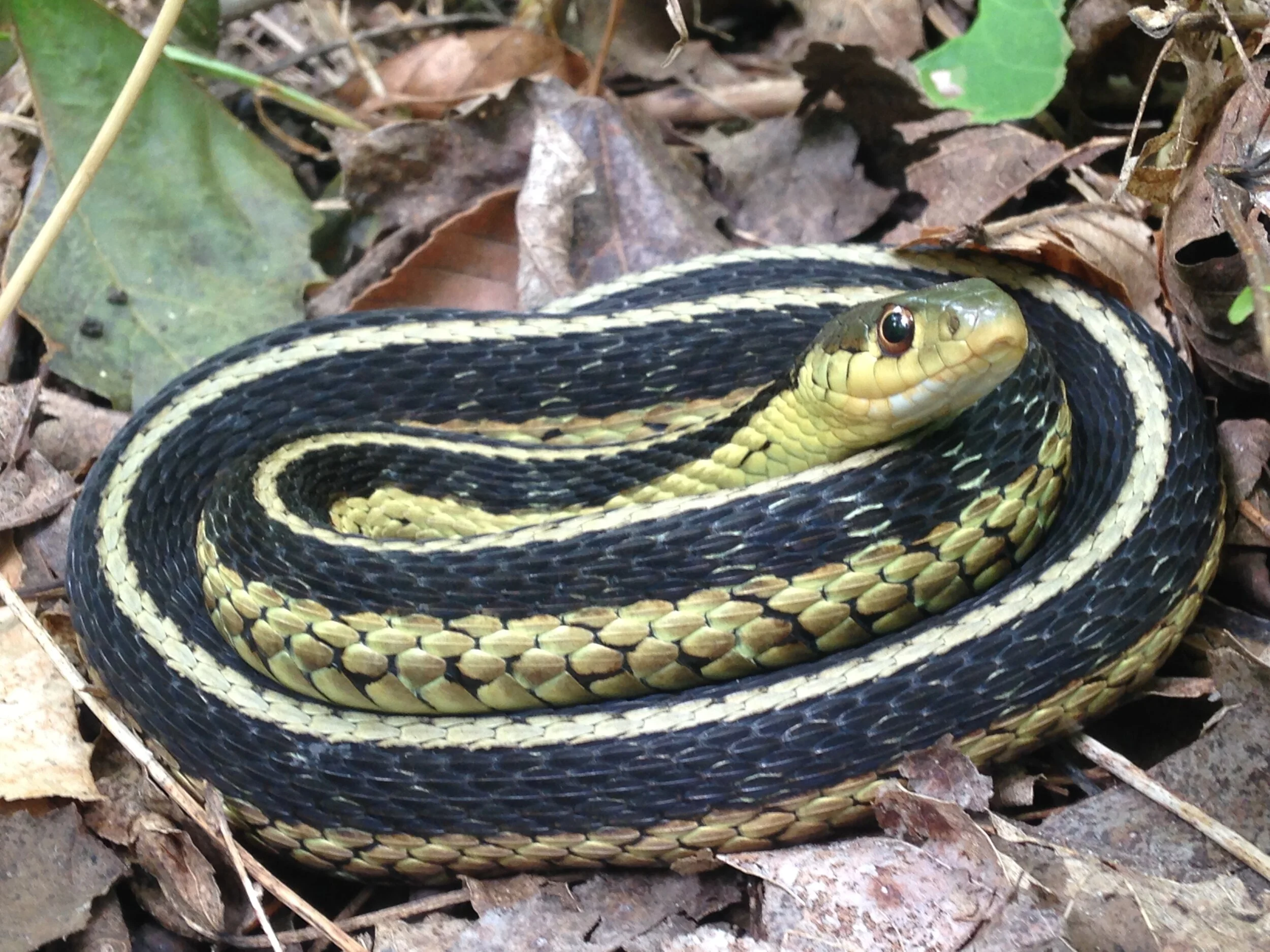
Ep. 136 : Storytelling for snakes
Discussing some hows and whys about storytelling as reciprocating interaction and interspecies language making. How can we work with stories to learn, teach and communicate better with each other in regards to the natural world, and then on top of that, how can we hear the stories of the natural world better so we can be a part of the the learning, teaching and communication which is always already ongoing?
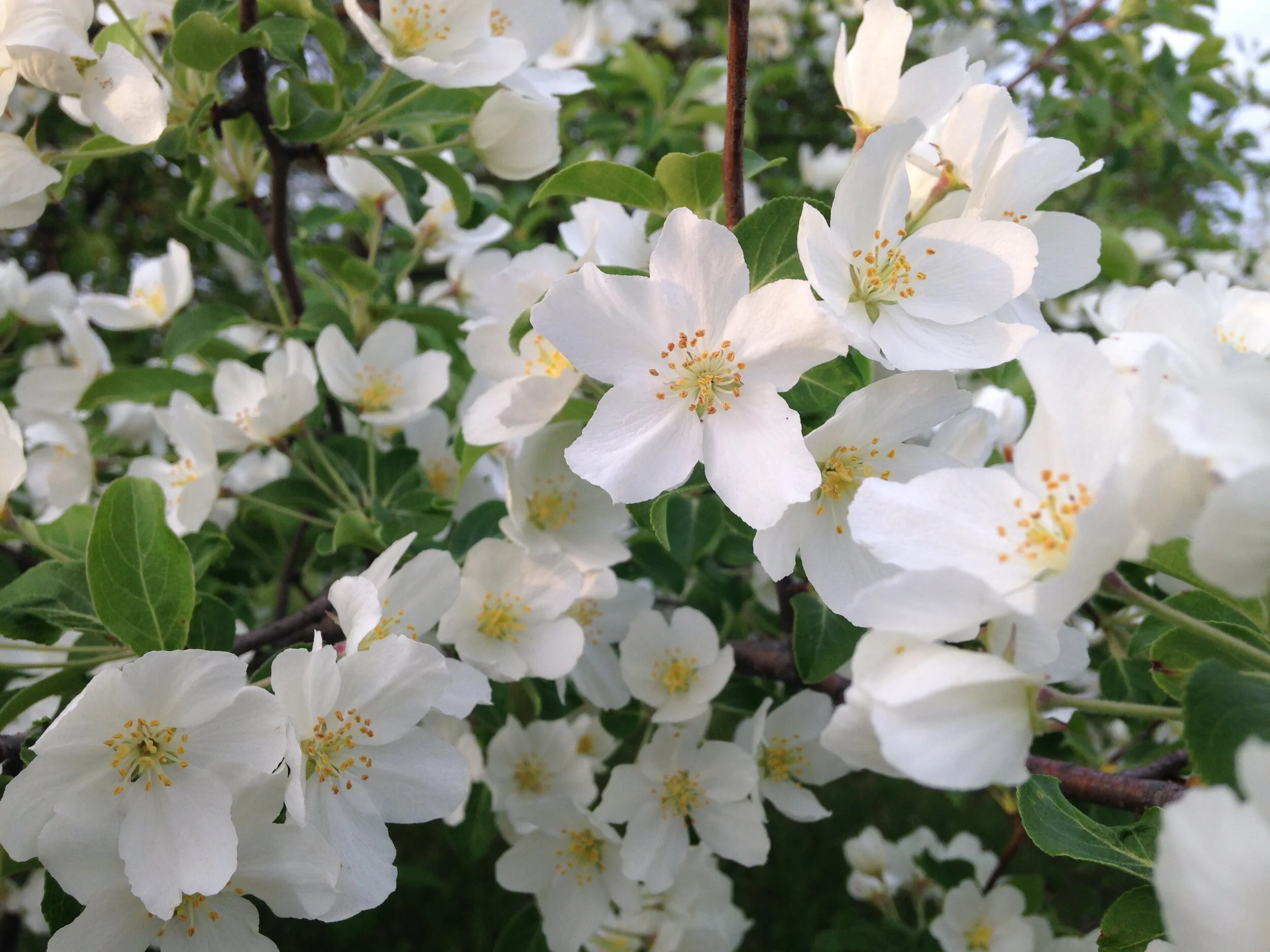
Ep. 135 : Brian Husband and The Ontario Heritage and Feral Apple Project
Learning about the ecologies and biologies of Apples with Dr. Brian Husband of the Ontario Heritage and Feral Apple Project where they hunt down the genetics of these heritage species looking to see how they are changing, evolving, and how they are interacting with the local environments where they are found.
Ep. 134 : Bonita Ford on her new book Embers of Hope
How can we learn to move with grace, care and hope towards uncertain futures? Interview with Bonita Ford discussing her book Embers of Hope : Embracing life in an age of ecological destruction and climate chaos.
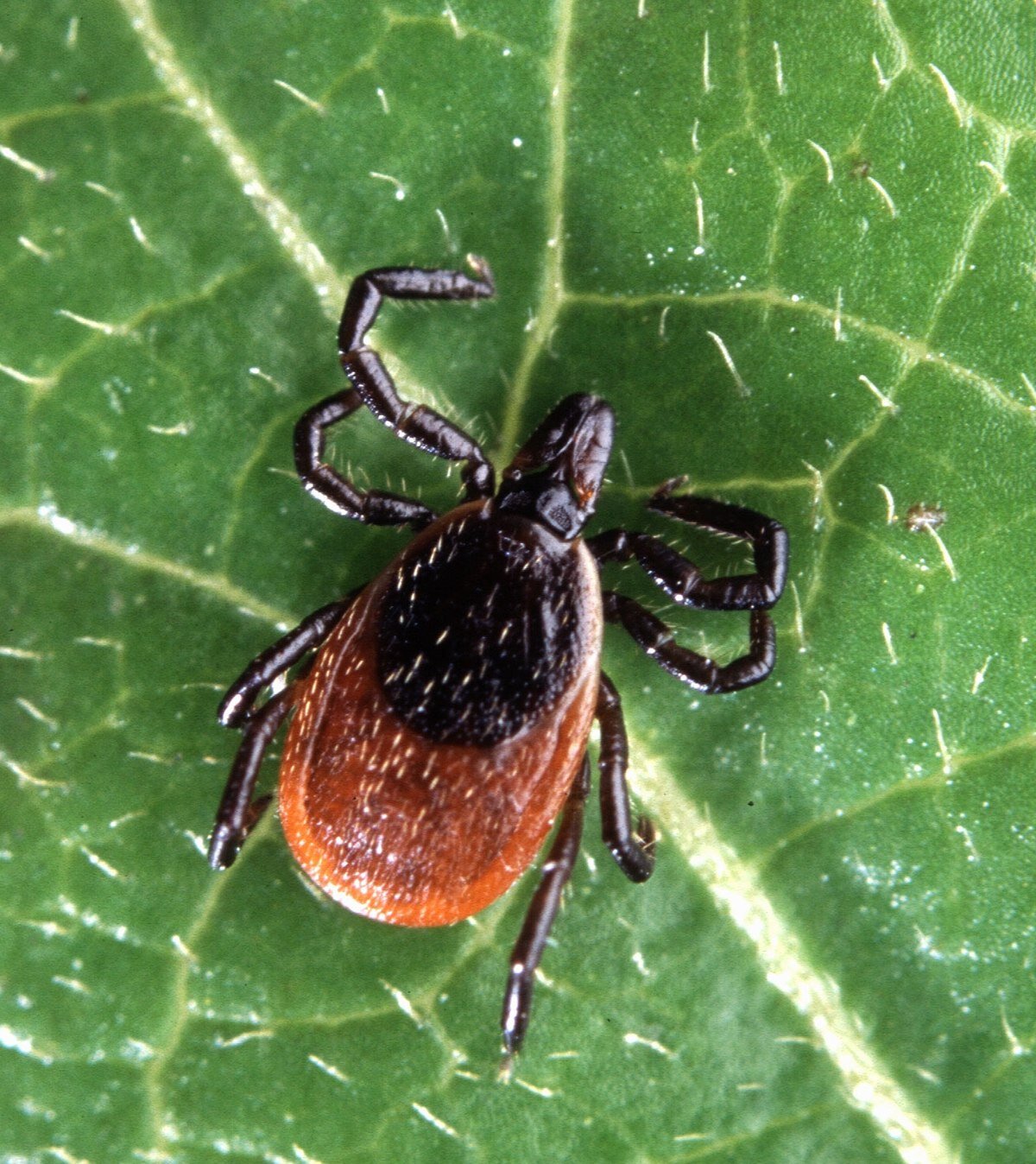
Ep. 133: Dr. Katie Clow on Black-legged Ticks and Lyme Disease
Dr. Katie Clow is an assistant professor at the Ontario Veterinary College, and Vet by training, and expert in zoonotic epidemiology. Today we talk about ticks and tick borne diseases such as Lyme disease. You may need to take notes for this one as Katie has a lot to share.
Ep. 132 : Sarah Marshall on Snapping Turtles nest extractions
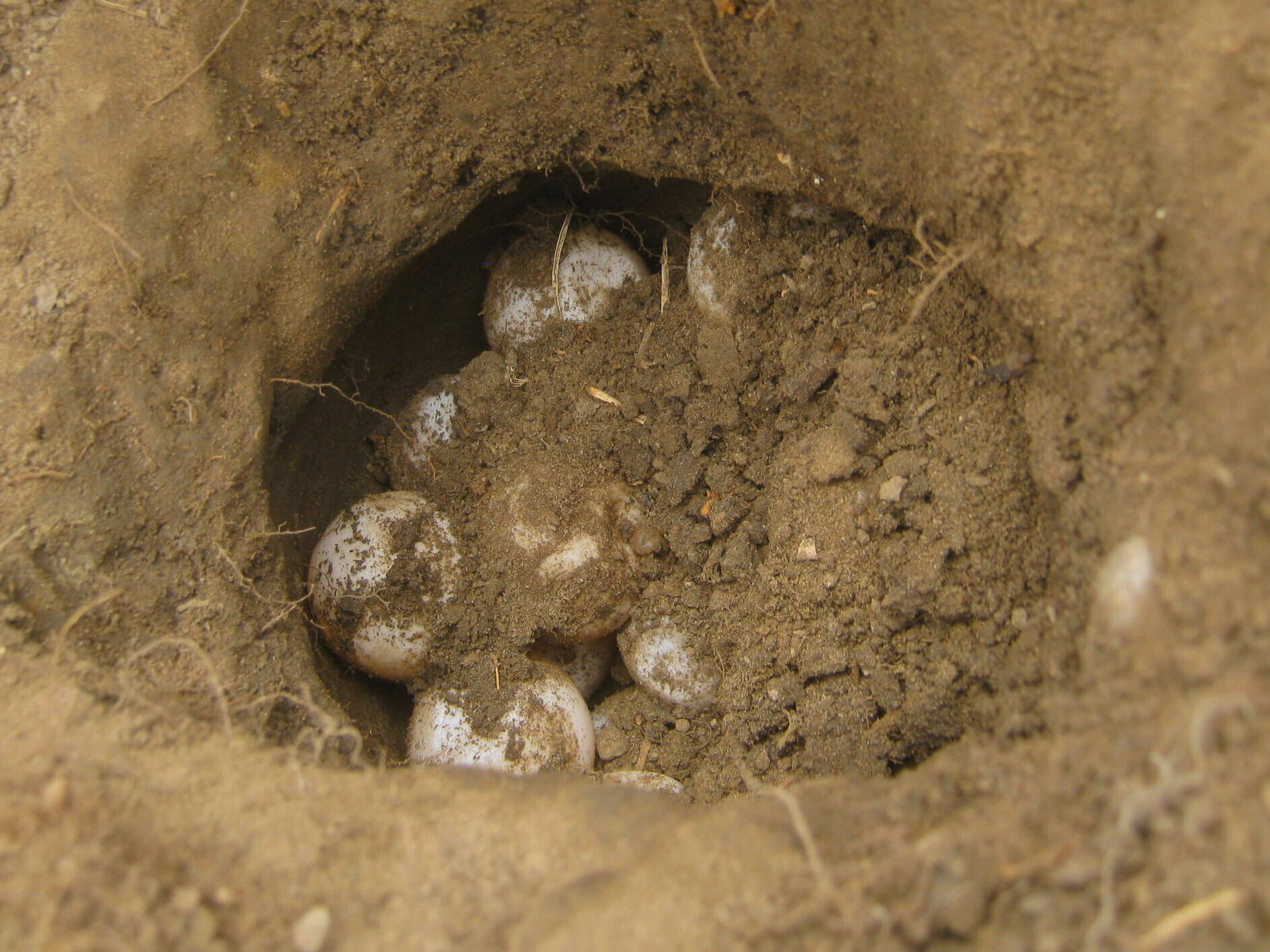
Interview with Sarah Marshall, conservation technician from rare charitable research reserve about Snapping Turtles as she excavates a Snapping Turtle nest from a construction site. Without her, and her crew’s help, these nests would likely be predated by other wildlife, or destroyed by human activities such as development, vehicles, or even sports.
Ep. 131 : Talking about racism in Brampton and the Etobicoke Creek
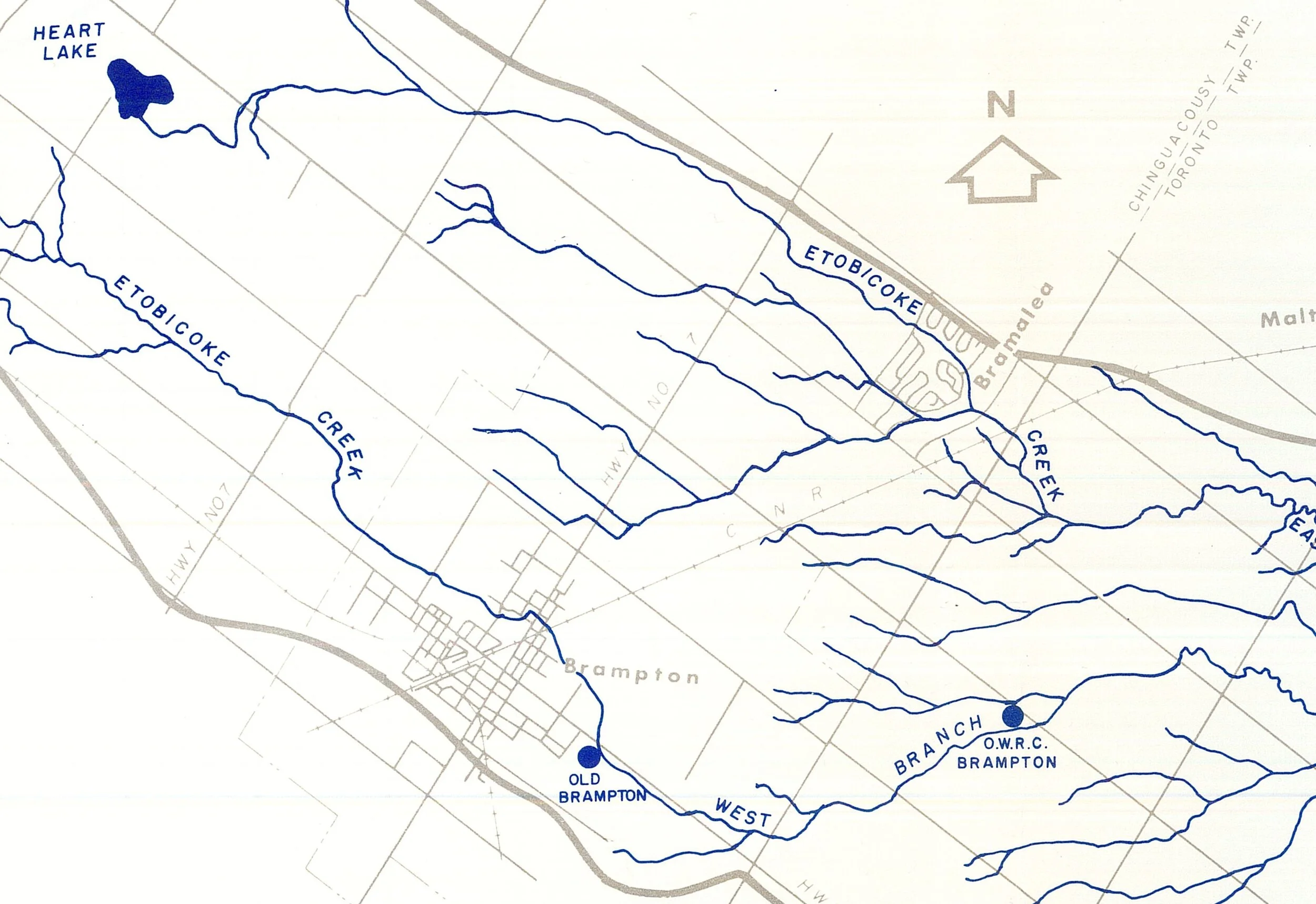
Talking racism seen growing up in Brampton, acknowledging different peoples connections with the creek there, and sharing something I wrote about the Etobicoke creek.

Ep. 130: Sonia Shah on Pandemics, Outbreaks and our encroachment into wilder places.
Science journalist and author Sonia Shah talking about Pandemics, Outbreaks, and how they come about, often due to humanity moving into and destroying wilder places. She looks to the history of recent pandemics and the zoonotic causes, from insects, bacteria and viruses. Lots to learn about. Recorded in March 2016, but still very relevent today.

Other platforms where you can listen to the show :


As well as : Pocket casts : RadioPublic : ListenNotes : Podcast Republic