

What’s going on out on the land?
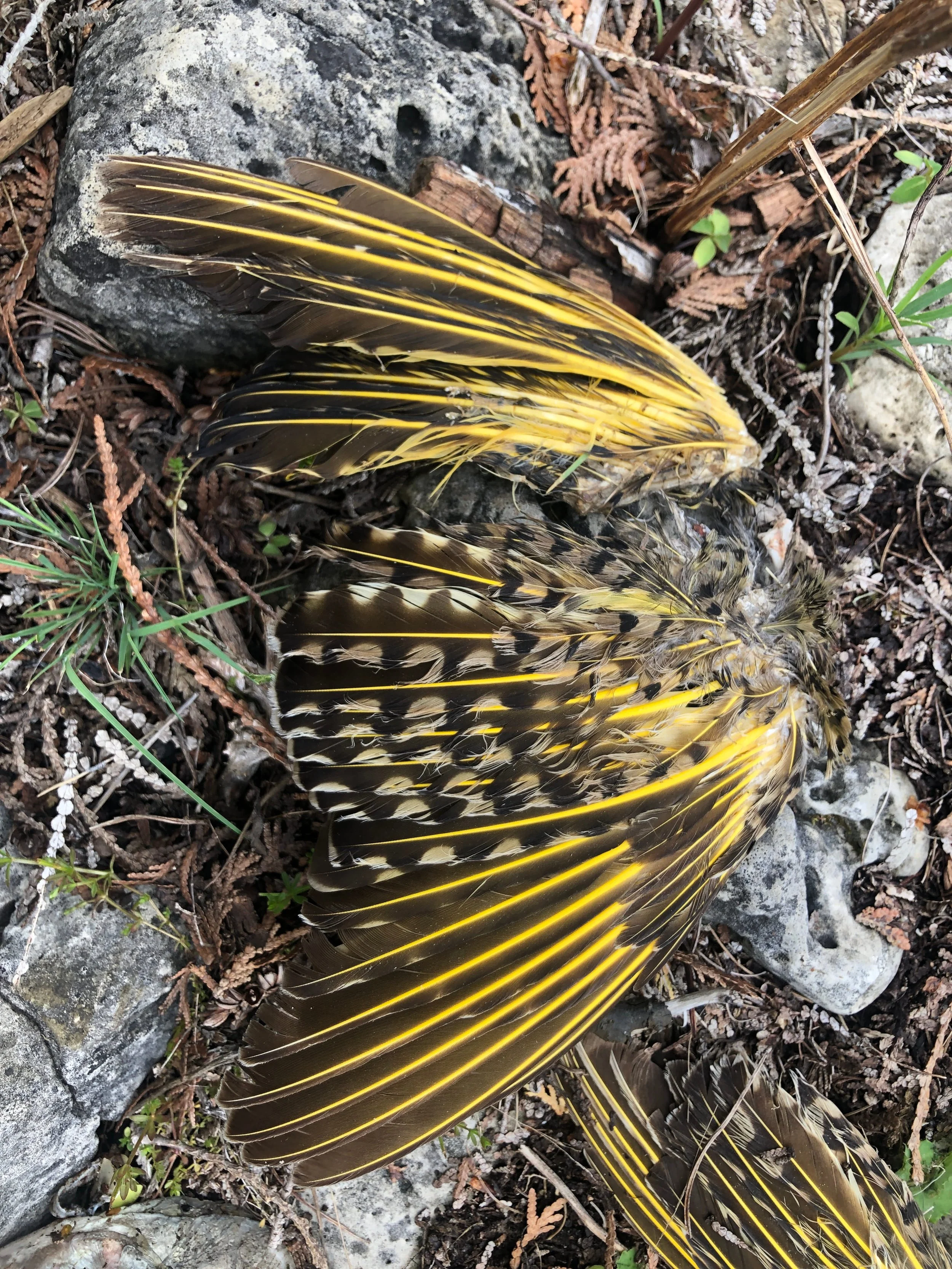
Tracking the Birds at Saugeen First Nations
I believe this was the seventh or eighth year that I had the chance to track at Saugeen Shores with the Earth Tracks Wildlife Tracking Apprenticeship program. This is a great tracking spot as every year we encounter a varied array of tracks in the sandy beach and trails and a diverse assortment of sign out on the rocky spit which juts out into Lake Huron (or Naadowewi-gichigami in Ojibwe).
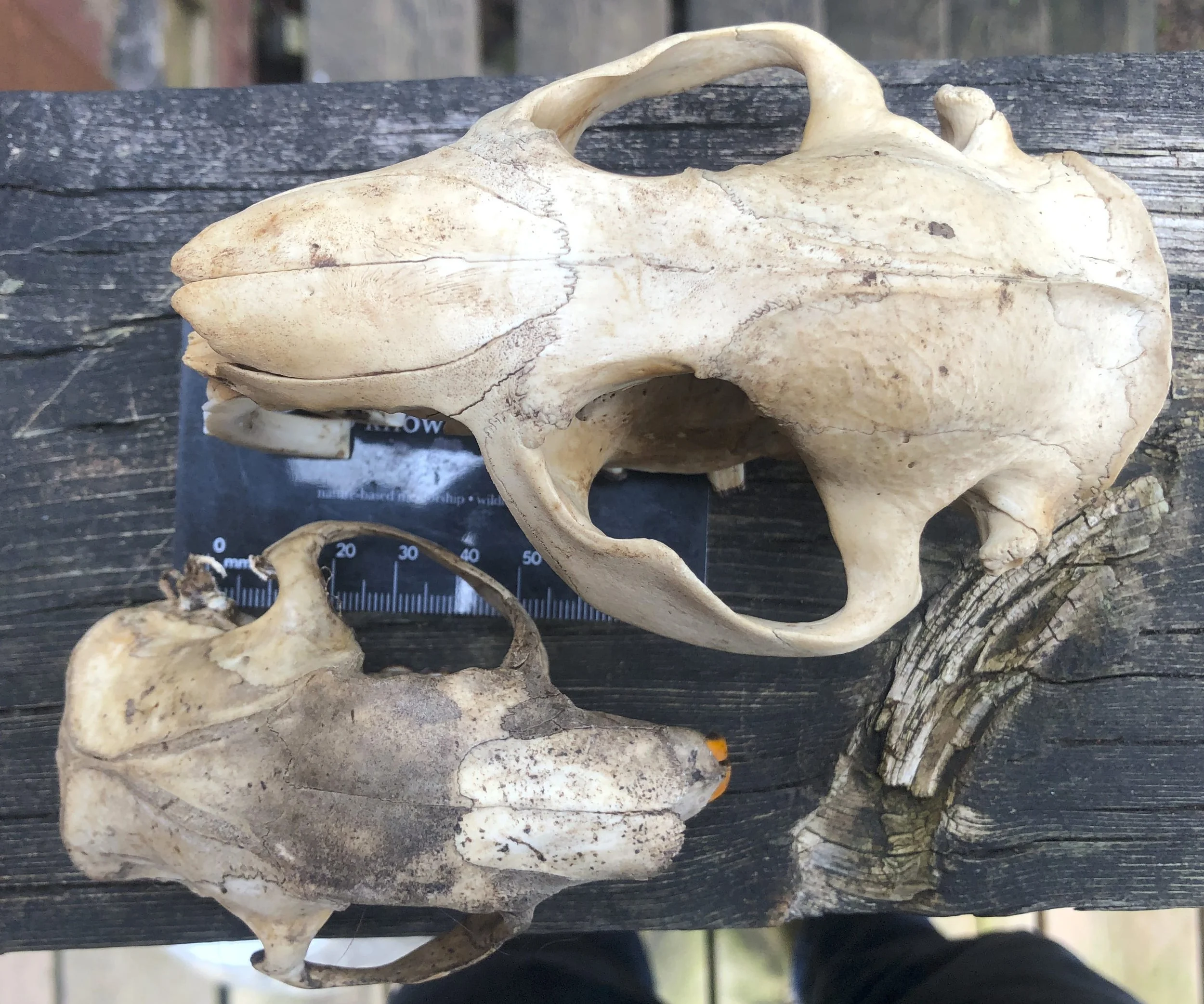
Determining the Difference Between North American Porcupine and the North American Beaver Skulls
Skull identification is something I love, so I wanted to look at two larger species of rodent in my area, and begin pointing out individuating characteristics of each species to help determine the species, even when a portion or most of the skull is absent.
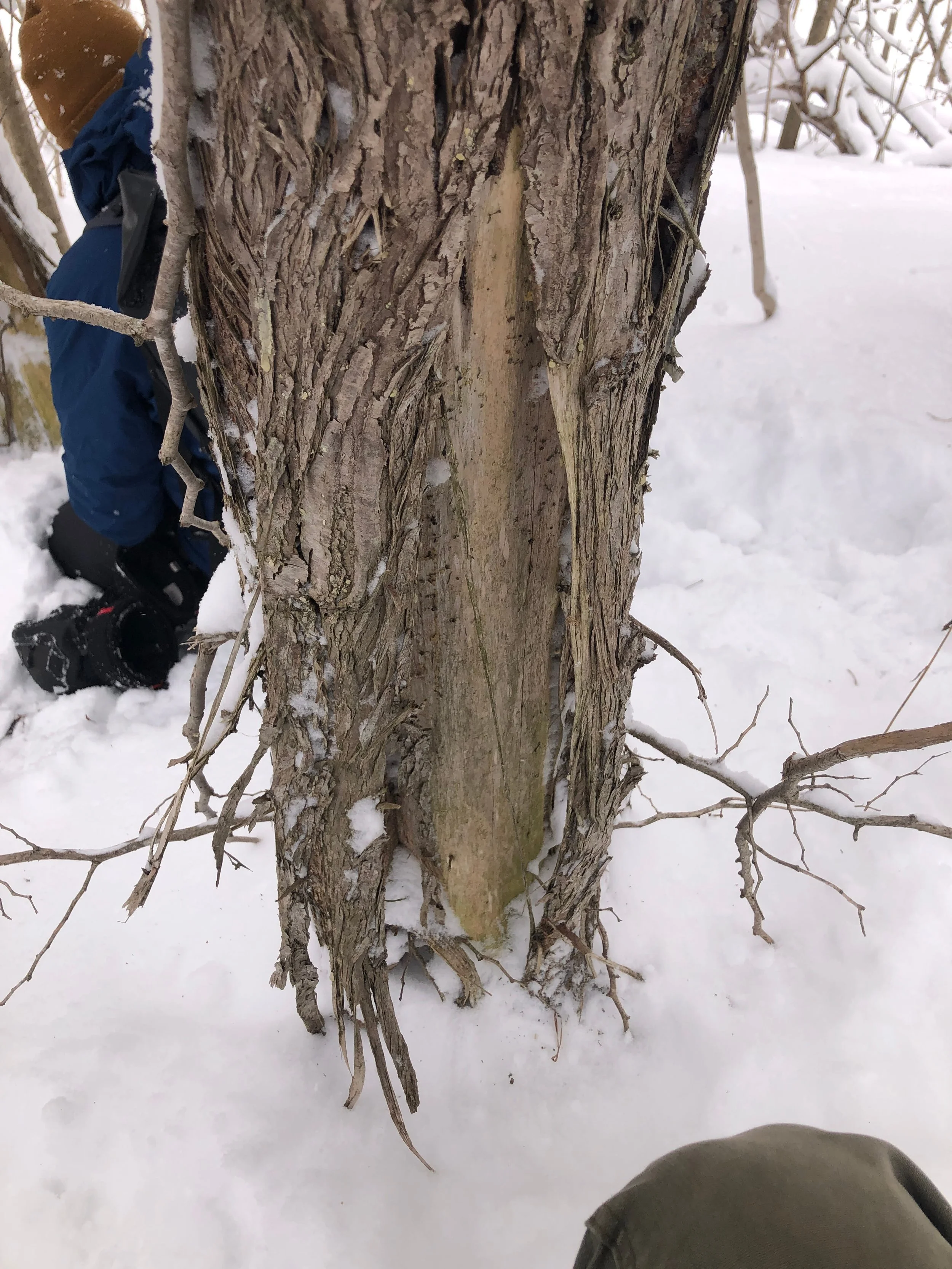
Black Bear Cambium Feeding in Ontario?
Many current and former Earth Tracks Tracking Apprenticeship apprentices were participating at a recent Track and Sign certification in Parry Sound, where a good tall triangular section of bark was missing and the remaining bark had begun lobing over towards the exposed wood. The cambium layer was missing. This wound seemed to have occurred a while ago, and, as noted above, the tree was healing as the remaining bark was enclosing the wound. Was this Black Bear feeding sign?
Read on for a closer look at this unusual sign on this side of the continent.
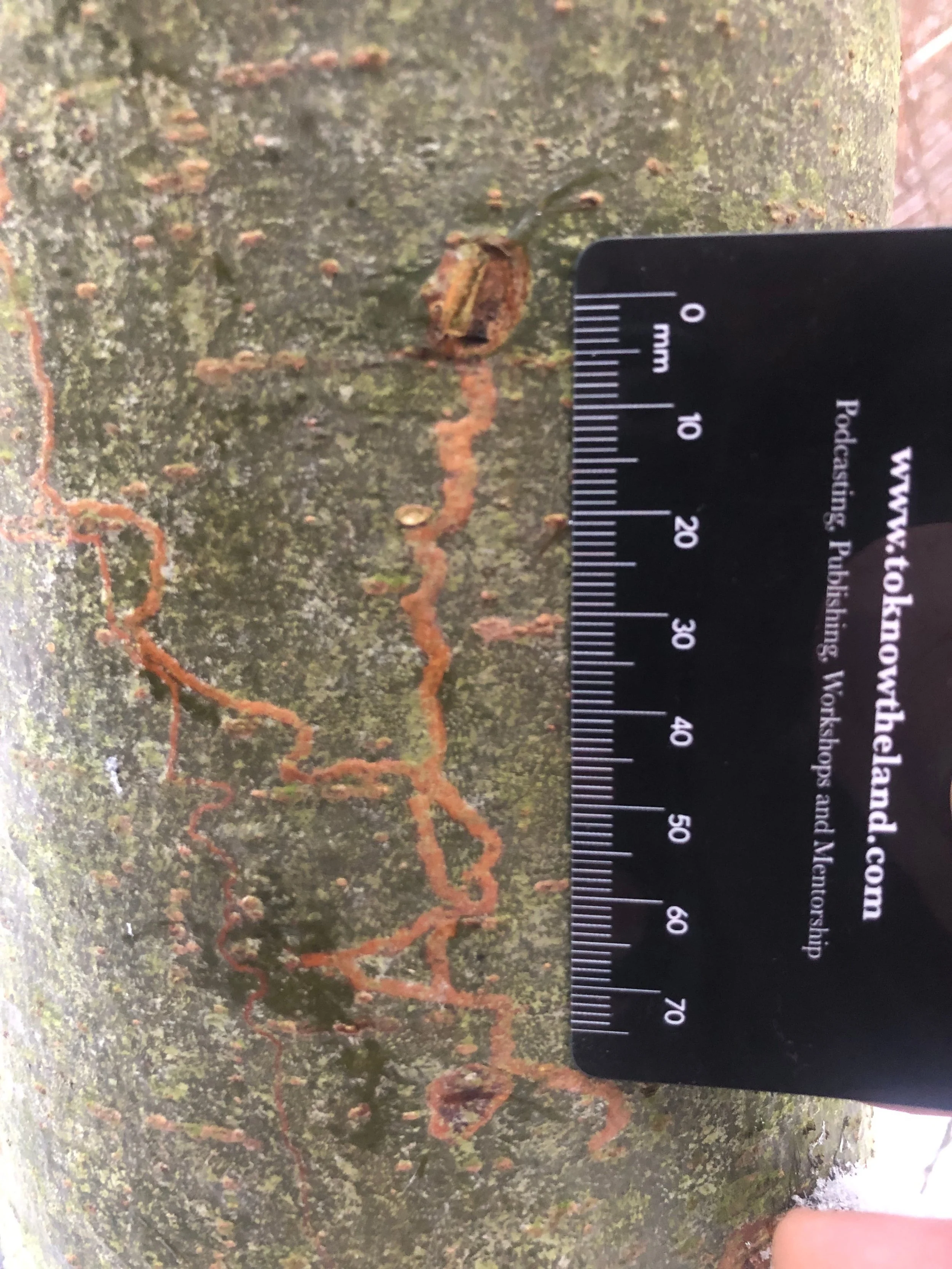
Subcuticular Mine in White Pine
Last Saturday I got to go out with a small crew and share some knowledge on track and sign. We saw some common species throughout the day and it was fun and exciting, but as we were walking through a White Pine plantation I noticed a small pale brown line on the tree just about 170 cm (roughly 5.5 ft) up on the trunk.
Highlights of Tracking in the Boyne Valley
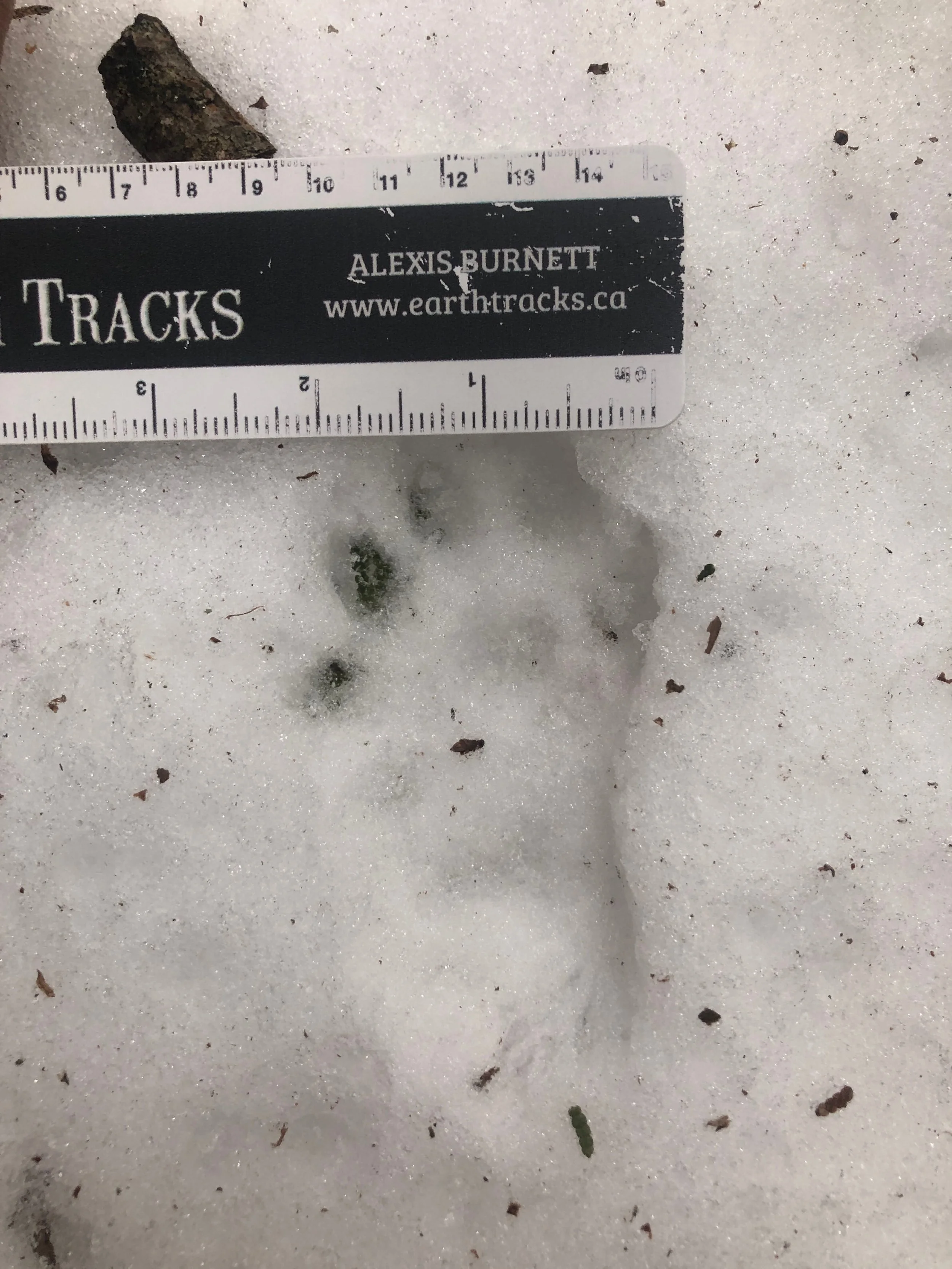
I have been thinking a lot this Winter about how amazing it is that all of the various species we track can survive such apparent hardships of freezing temperatures, labourious snow depths, and drastically reduced vegetal forage. It’s like turning off the heat in your house, wading through 60 - 90 odd cm (2 - 3 ft) carpet pile, while constantly engaging all your senses to find the perpetually vigilant and furtive refrigerator. Tough times indeed.
Tracking at Puslinch Tract Conservation Area
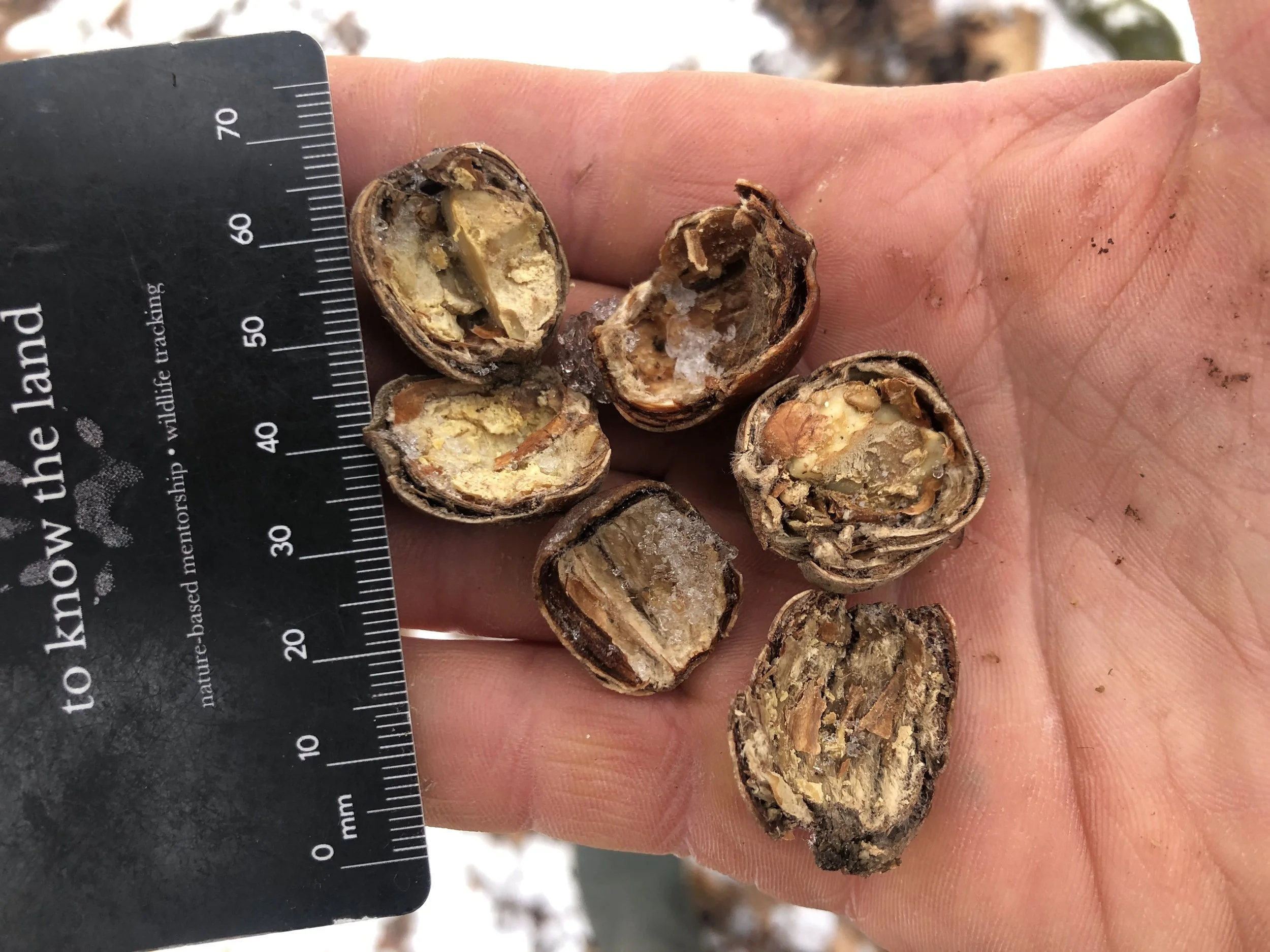
I have been spending the start of my time off climbing, going to yoga and plotting tracking trips to new areas within an hour’s drive of Guelph. I am on the search for different landscapes to explore and potentially encounter new environments I don’t normally get to within or on the periphery of the city. For the past couple of days I have been exploring Puslinch Lake Conservation Tract, and it’s an interesting spot.
River Otter on the Eramosa River
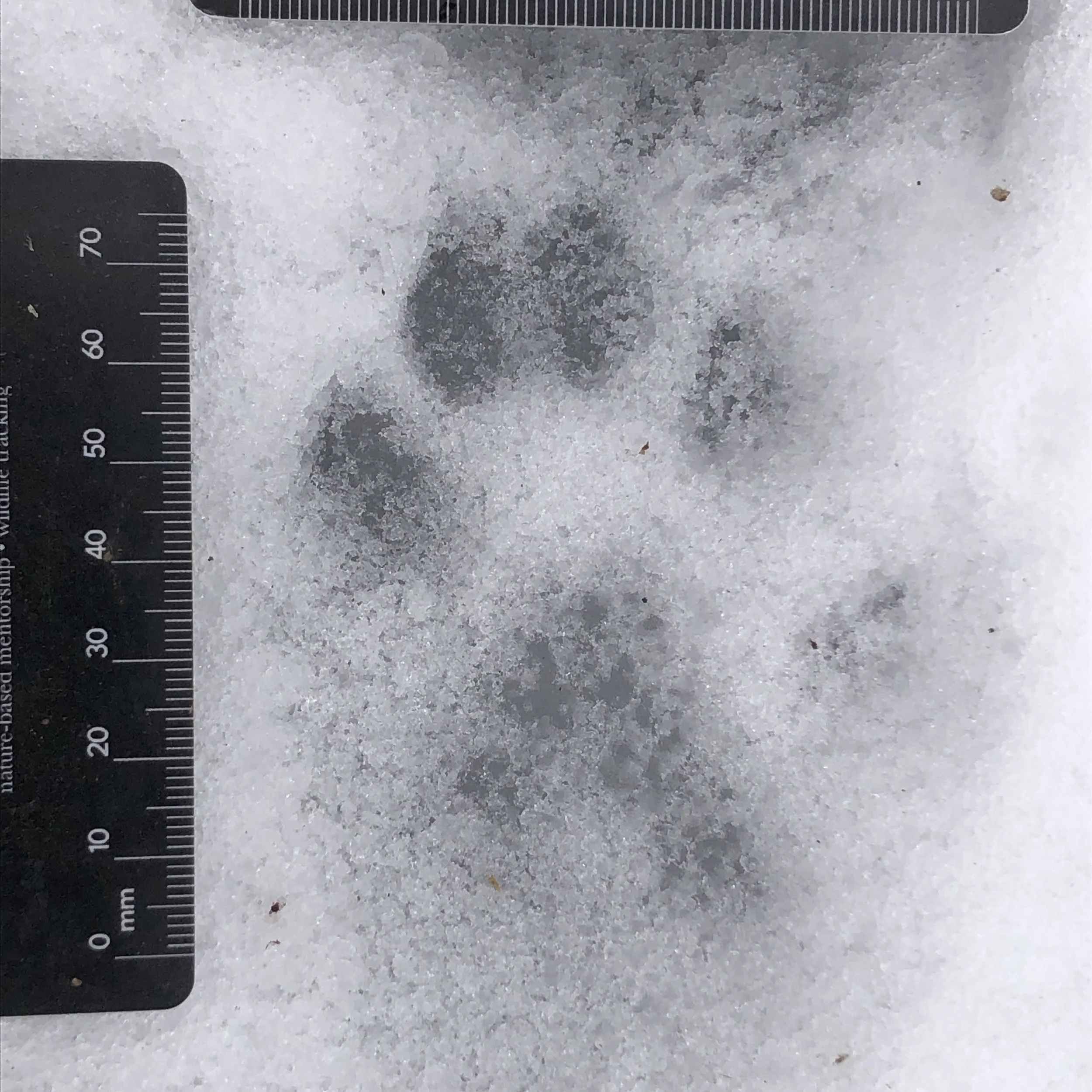
On Wednesday December 17th, 2025, while out exploring the river ice with my students we came to a bend of the Eramosa River where I knew the ice was thickest. While out on the ice, I came across some interesting tracks. Coyote tracks double registering? Fisher? River Otter?
Here I detail how I came to the conclusion of River Otters.
Signs of the White-tailed Deer Rut
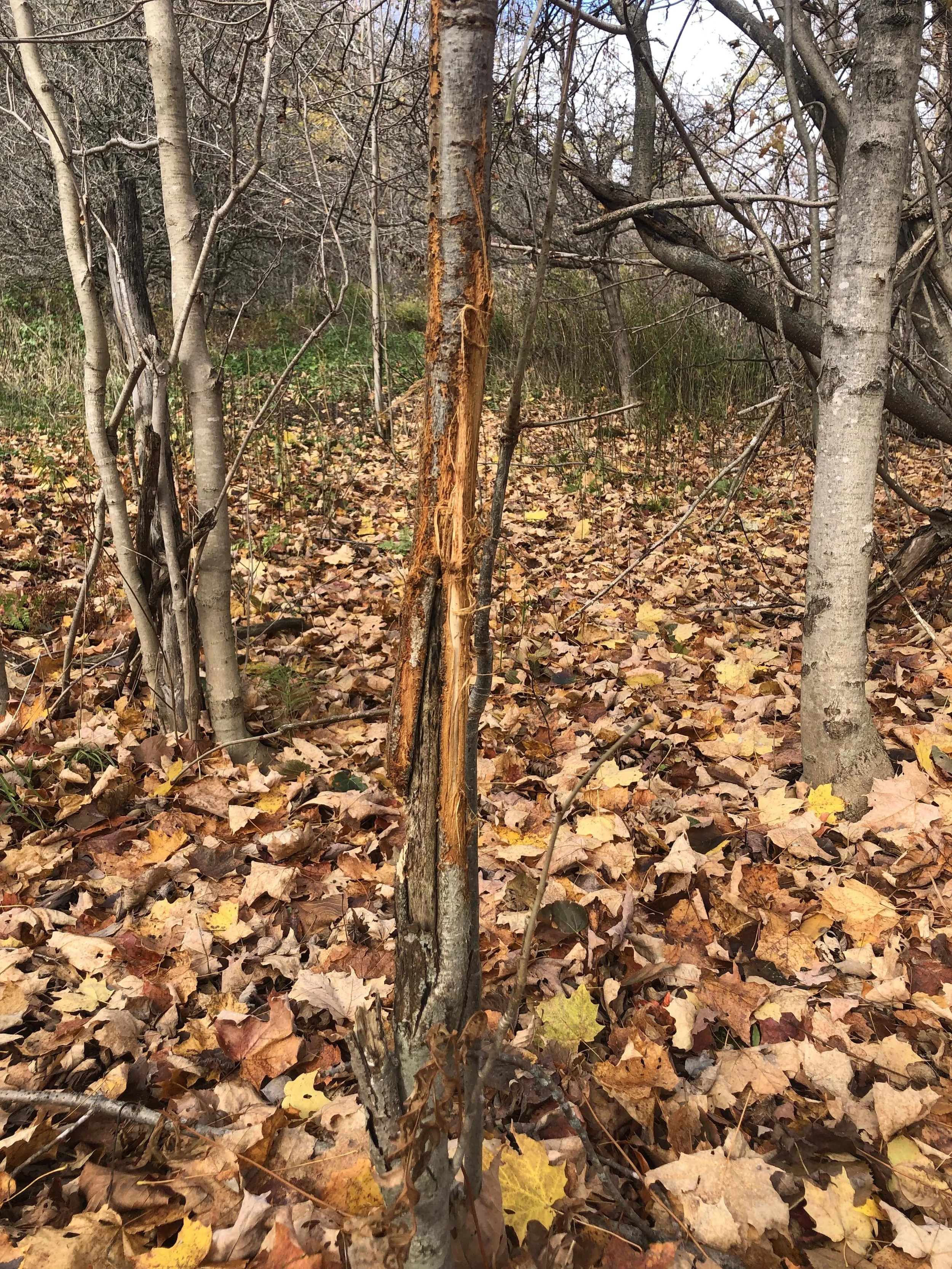
While tracking White-tailed Deer at Mono Cliffs with the Earth Tracks apprenticeship, we saw lots of signs of the rut and the subtle ways deer communicate. We studied three main signs: scrapes, rubs and lick branches. Together, these clues form a multisensory language of scent, sight, and even ultraviolet signals that share details of identity, territory, and mating readiness. These clues along the trail are a real insight into how deer express themselves across the landscape in ways most of us overlook.
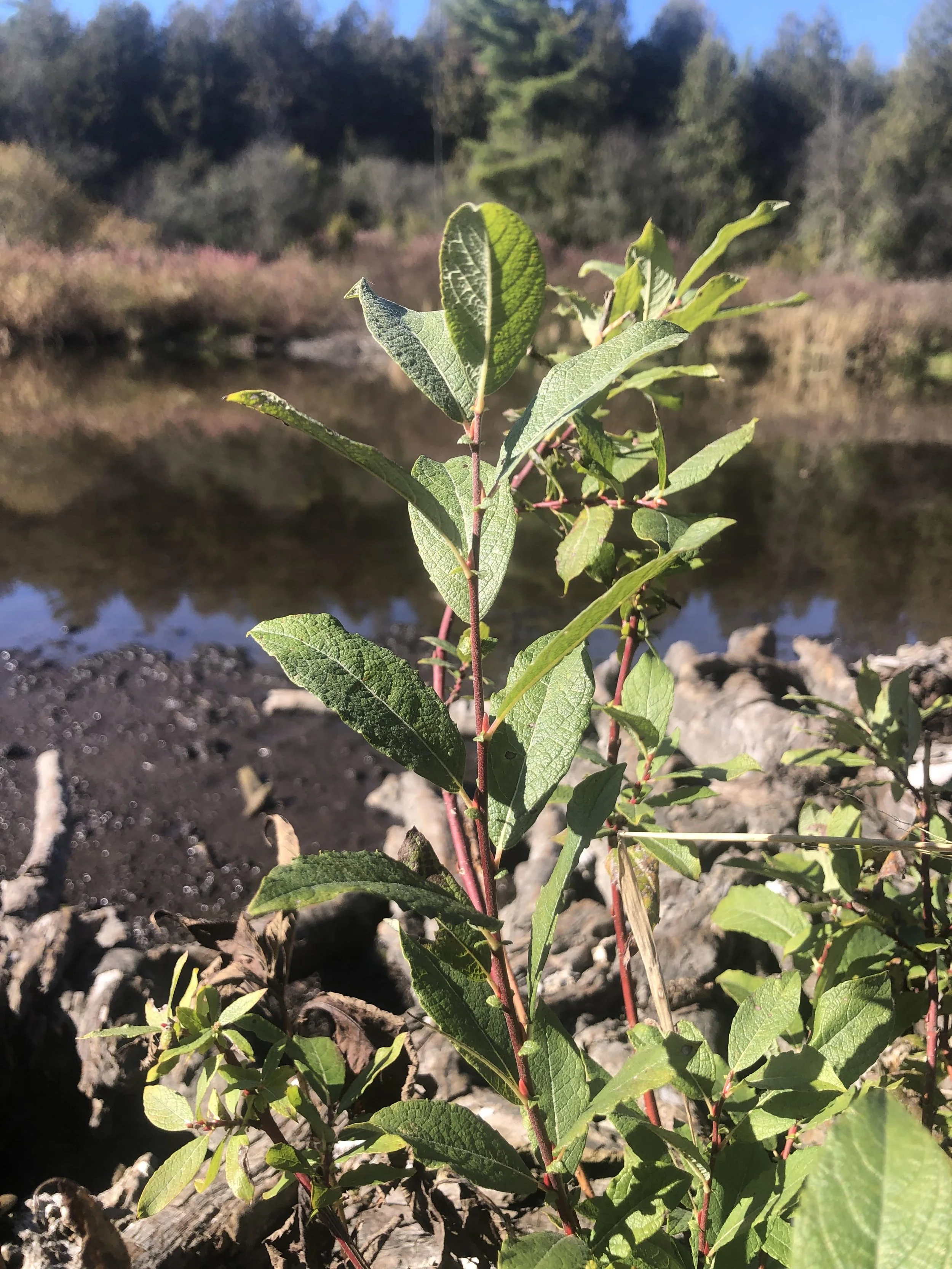
Considering Bebb’s Willow
Bebb’s Willow is a species I encounter commonly, but I do not know much about. I can’t even accurately identify them. They have become the subtle whisper of species ID I feel inside me whenever I cannot identify a small wetland shrub that sorta looks like a Willow. I have decided that I will take a closer look.
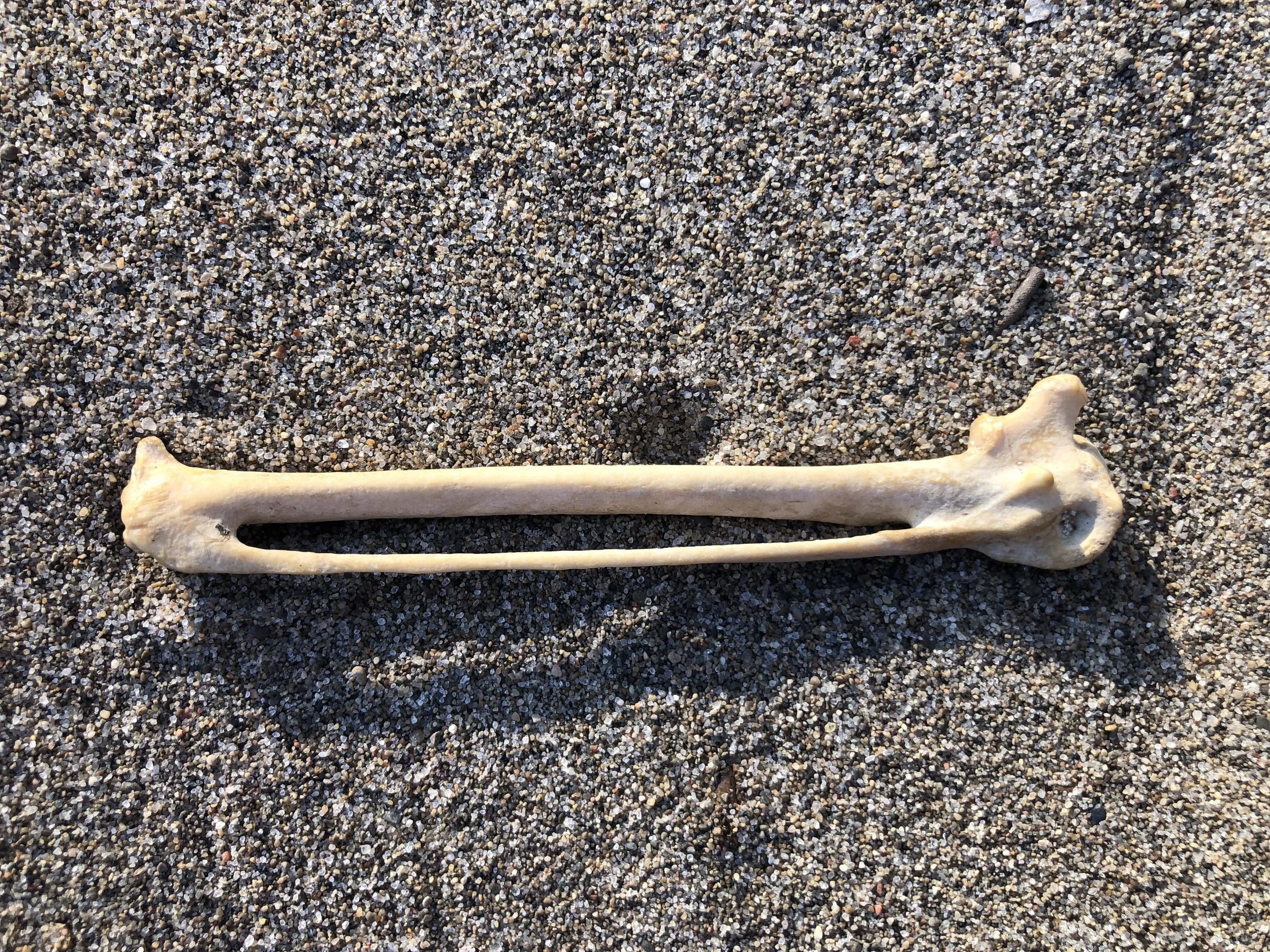
I Found A Carpometacarpus
I went to the beach the other day and I found a bone washed up. The bone struck me right away as looking like it was from a bird. Perhaps I remembered it from a previous bone study or from a skeleton I had observed before. I inspected it quickly, and put it in my pocket to look at a little more later before continuing on my way.
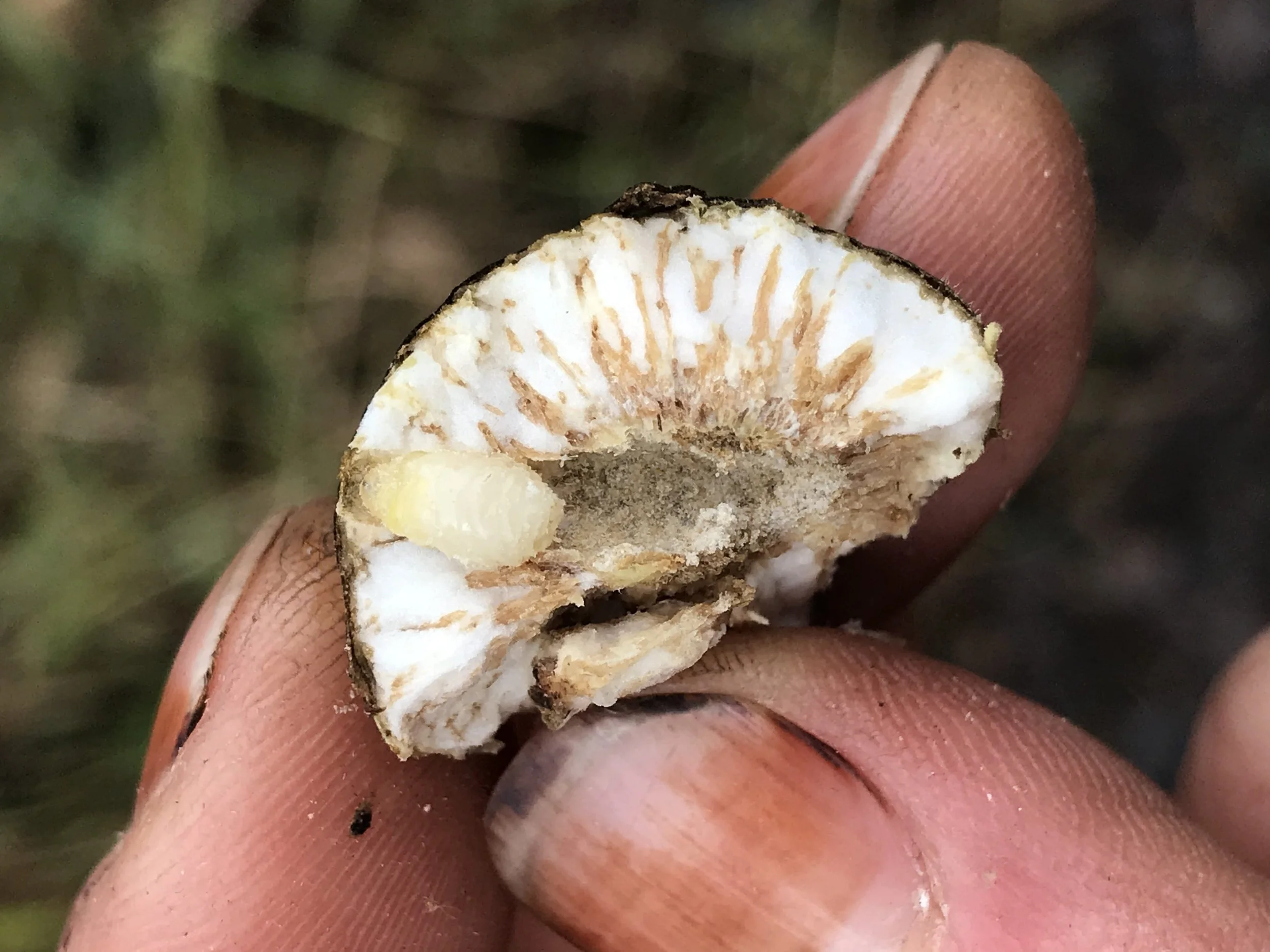
A Short List of Bugs I have Eaten
I am very much interested in the edibility of invertebrates. Recognizing that most of the world commonly consumes insects and other inverts, I get to wondering why we in the Northern parts of Turtle Island/North America don’t really consume them.
In light of this wondering I have been setting out to learn as much as I can about which insects I can eat, and how I can learn to prepare them. Below I will be creating an ever expanding list of insects and other inverts I have eaten and how I have prepared them.

Identifying Skeletal Remains of a Common Loon
While out tracking with the Earth Tracks Widllife Tracking Apprenticeship along a stretch of beach at Lake Huron at Saugeen First Nation we came across the fairly decayed carcass of a medium sized bird...

Early Days In The Lives of White-tailed Deer Fawns
There was a sudden movement directly under where my foot was about to land. Something large and pale brown jostled about and I quickly called out and stumbled back. It took me half a second to realize that the large pale brown shape that was moving away from me was a White-tailed Deer fawn. Reflecting afterwards, I realized that I didn't know much about fawns, so I had to find out more...

Jumping Mouse Tracks vs. Vole Tracks
It seems differentiating between Jumping Mice and Voles in my area is a persistent struggle. I have confused them on study calls and most recently on another TCNA Track and Sign evaluation (earning me 99% instead of 100%). With this latest affront to my pride I decided I needed to work through the tracks with more focus and practice seeing the minute differences of these minuscule tracks.

Determining Direction of Travel on a Fisher Trail
“Which way them critters goin’?”
To this day it can be tricky to tell the direction of travel through deep snow.
For this exploration in determining the direction of travel I’ll use a snowed in Fisher trail we encountered during an Earth Tracks Tracking Apprenticeship outing at Bognor Marsh, near Meaford, Ontario as an example. It was a faint trail, mostly snowed in, but the impressions were visible at the right angles, as long as they hadn’t been blown away in the wind.

Glands on a White-tailed Deer Leg
I found a White-tailed Deer leg while trailing a Coyote. I ended up taking the leg. Why? Well, I thought it would be a good chance to take the leg home to study it and learn more about deer. This post is about my findings, especially in regards to the glands distributed along a deer’s leg.

White-tailed Deer feeding sign at Kinghurst
Recently, at a TCNA “tracker tuesday” call, there was a challenge proposed: on your next tracking outing, practice following the deer or the rabbits and see if you can find 10 plants which they fed on. For me in my area, the deer would be White-tailed Deer and the rabbits would be Eastern Cottontails. While I have been observing the Cottontails loosely at work with my students, for this tracking outing with the Earth Tracks Wildlife Tracking Apprenticeship, we focused on the White-tails.
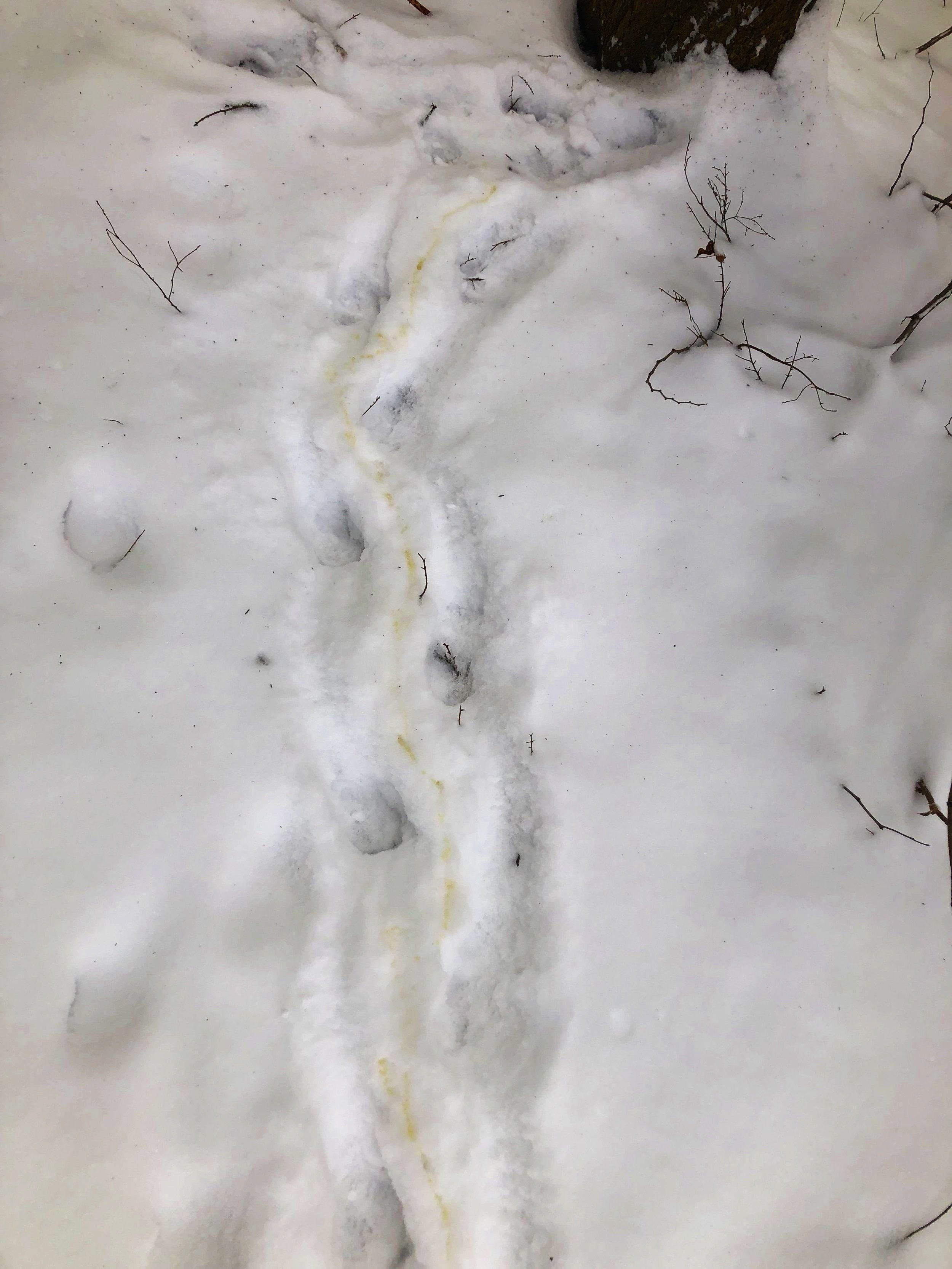
Trailing Porcupine at Dunby rd
I knew who the trail belonged to pretty much right away due to the oscillating midline that ran through the length of the furrowed trough in the snow and the occasional spotting of urine that was sprinkled intermittently along the run. This was the trail of the North American Porcupine, a common fixture in the forests of Dunby rd.
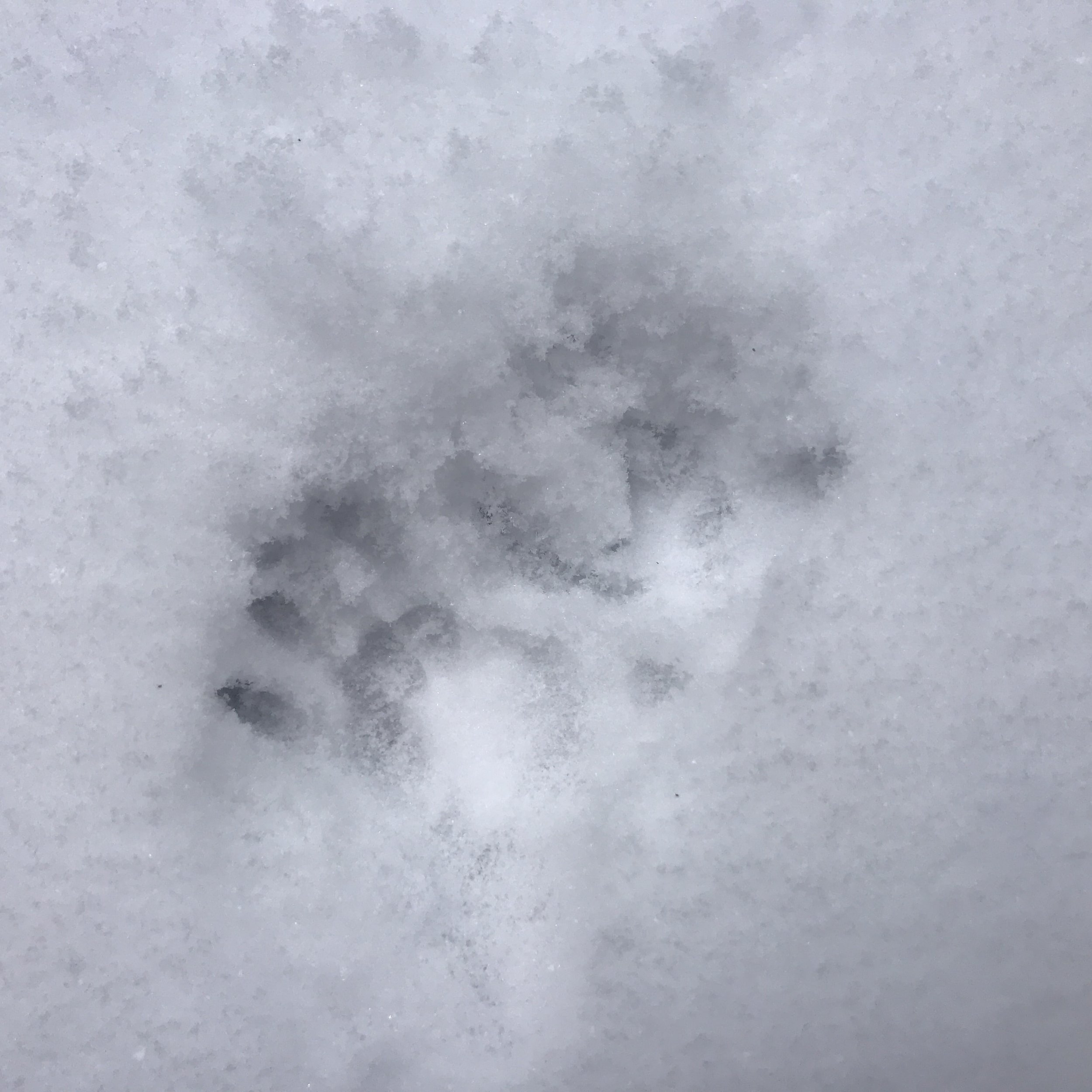
On the Opossum Trail
For the past few years I have been tracking the Scout Camp beside where I work. Lately with the students, we trailed an Opossum around the area.
This time I went back alone in hopes of learning more about the Virginia Opossum and see what they were up to. I wasn’t let down.

Two More Coracoids
I have written about coracoids before, but since realizing they are very helpful in the identification process of birds, it has become a bit of an ongoing puzzle now.
This post is about finding two dead birds and using their coracoids to sort out who they were with a little more certainty.