

A show about relationships with the land
There are many ways to listen to the show: Listen live on CFRU 93.3 fm broadcasting from the University of Guelph Mondays at 6pm EST or listen to the podcast via Spotify, Apple, or just follow the rss feed.

Ep. 175 : Solidarity with Wet’suwet’en Land Protectors
RCMP has invaded Wet’suwet’en territory from the second time in as many years. Land protectors have been resisting a pipeline going through their territory for many years, and most recently from a site where the pipeline would be buried below a river where folks fish and drink from. When the police raided the blockades there were calls for support and solidarity actions. Locally and abroad there have been marches, rallies, vigils, and more.
This weeks episode is all about giving context for the situation, looking at what is happening now, why the invasion wouldn’t even be legal according to Wet’suwet’en or Canadian or international law, and some recordings from a local solidarity rally in support of Wet’suwet’en land protectors.
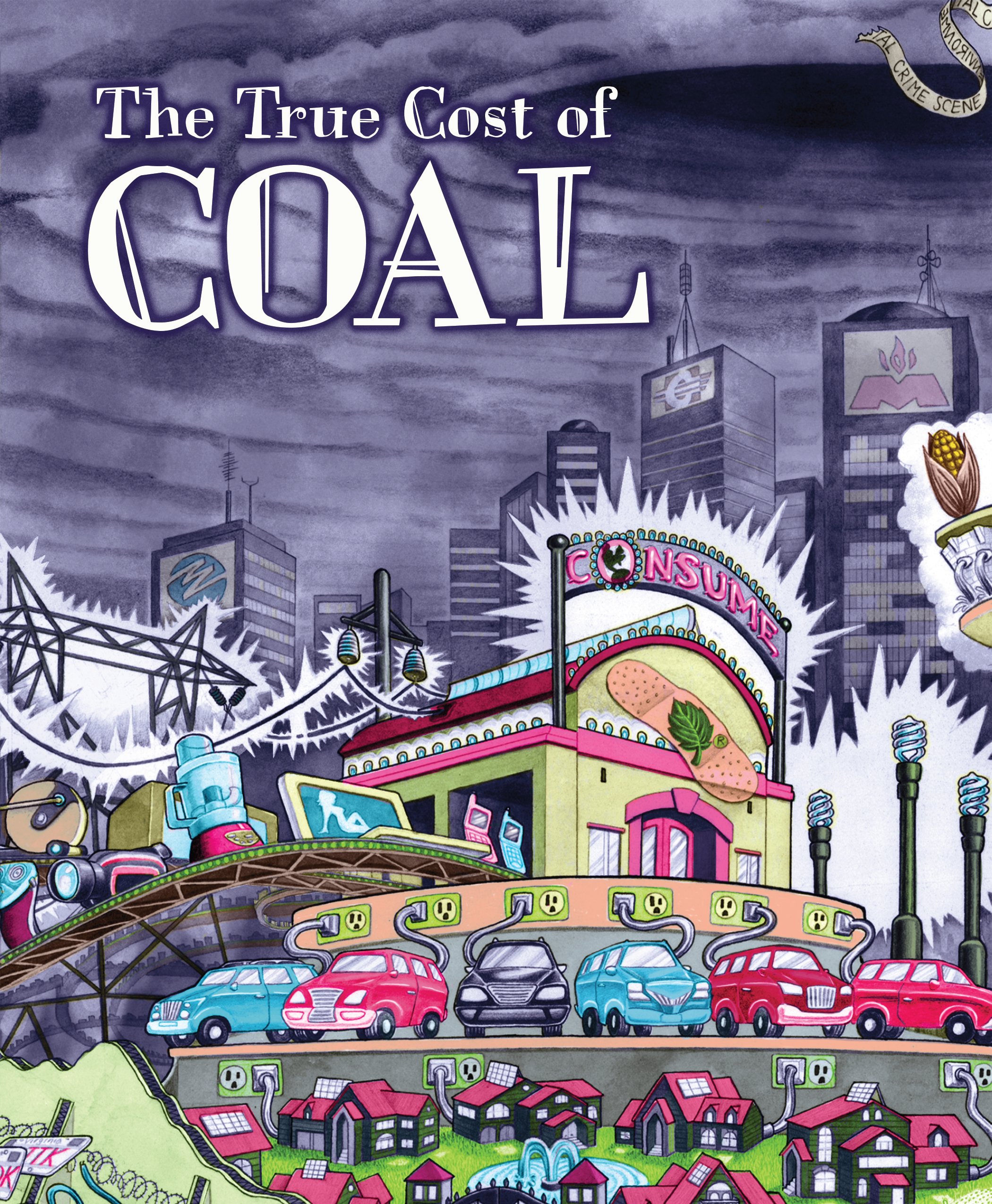
Ep. 174 : The True Cost of Coal with the Beehive Collective
The massive Beehive Collective posters were a big part of my culturation and activist upbringing. Every punk house, infoshop, or radical space I encountered had one. But despite seeing them so often, these black and white billboards were still a little mysterious and the narrative a bit illusive.
When Saku and D came through this past week they brought with them a simplified key, a song, a Seussian poem detailing the narrative of the work, which made it much more approachable to a broader, and younger audience. Inspired by their own child and the desire to teach them about what has been going on in the world, they put together a new book detailing the true cost of coal.
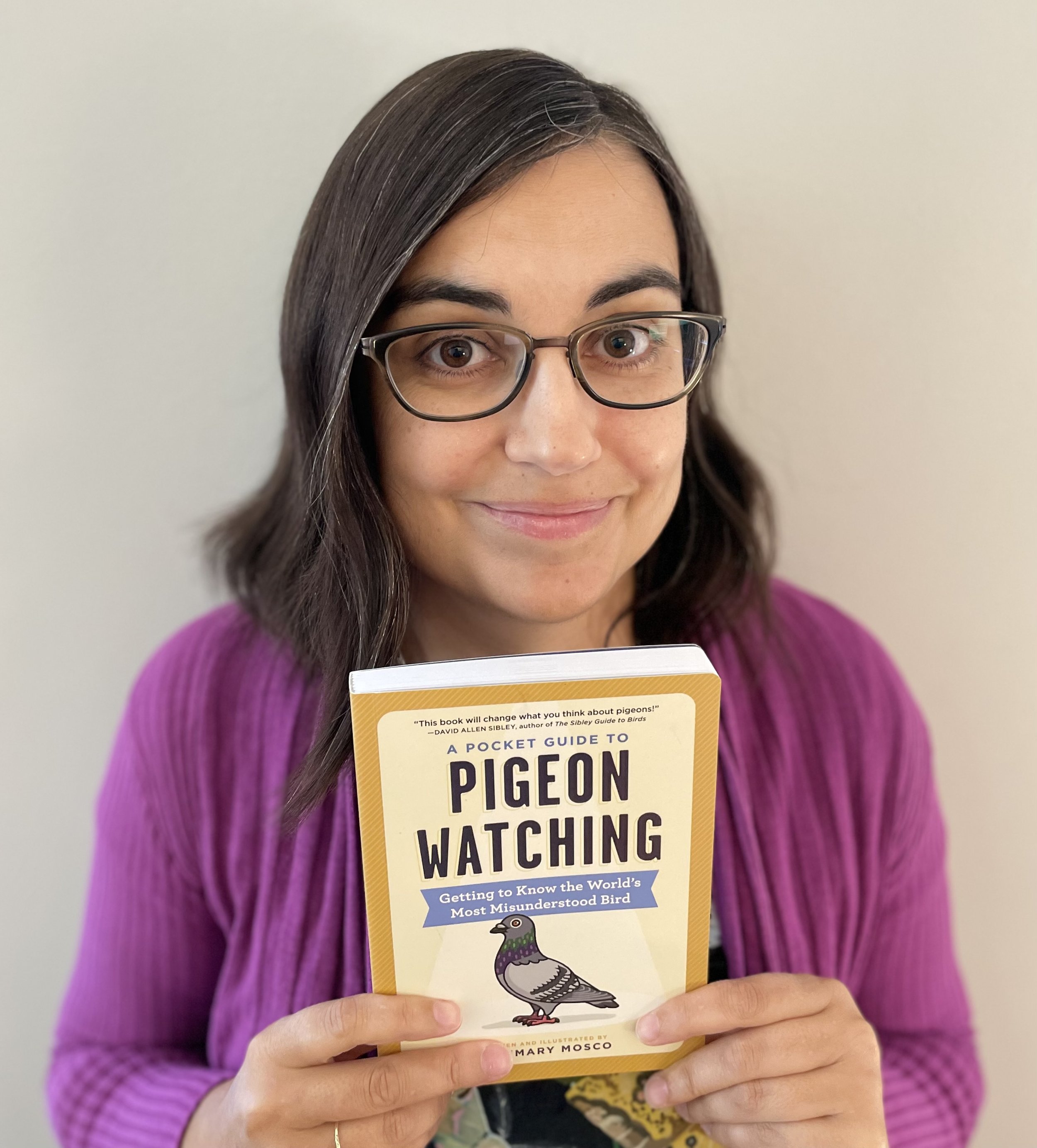
Ep. 173 : Cartoonist and Author Rosemary Mosco
I really appreciate when I can meet someone who can take something despised and vilified and transform it into a beautiful focal point, braiding together natural history, human history, and urban ecology. Rosemary Mosco is someone who does this on the regular.
I got to talk with Rosemary about her own connections with nature, her award winning comic birdandmoon, really diving deep into Pigeons (Columba livia) and her new book A Pocket Guide to Pigeon Watching.
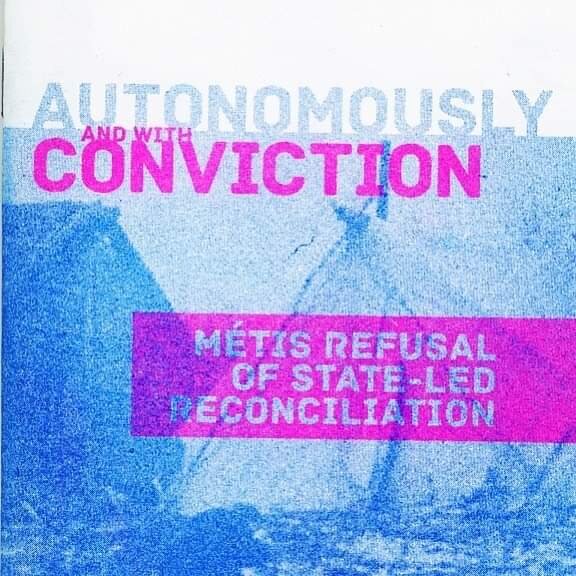
Ep. 172 : Autonomously and with Conviction
Since September 25th, the Gidimt’en Access Point has been holding new blockades and using a variety of tactics to keep Coastal GasLink workers and the RCMP off their territory. Specifically, they have been blocking access to a drill pad, without which CGL will be unable to drill under the Wedzin Kwa, or Morice River.
Gidimt’en clan members and supporters have established themselves on the site, which they have named Coyote Camp, building a log cabin complete with a wood stove to support a sustained defense of the camp.
The RCMP’s Community-Industry Response Group has been present at the camp, carrying out daily reconnaissance, searching tents, emptying campers’ drinking water supply, and generally harassing the site’s inhabitants.
In the words of Sleydo’, spokesperson for Gidimt’en Checkpoint, “Our way of life is at risk. Wedzin Kwa [is the] river that feeds all of Wet’suwet’en territory and gives life to our nation.”
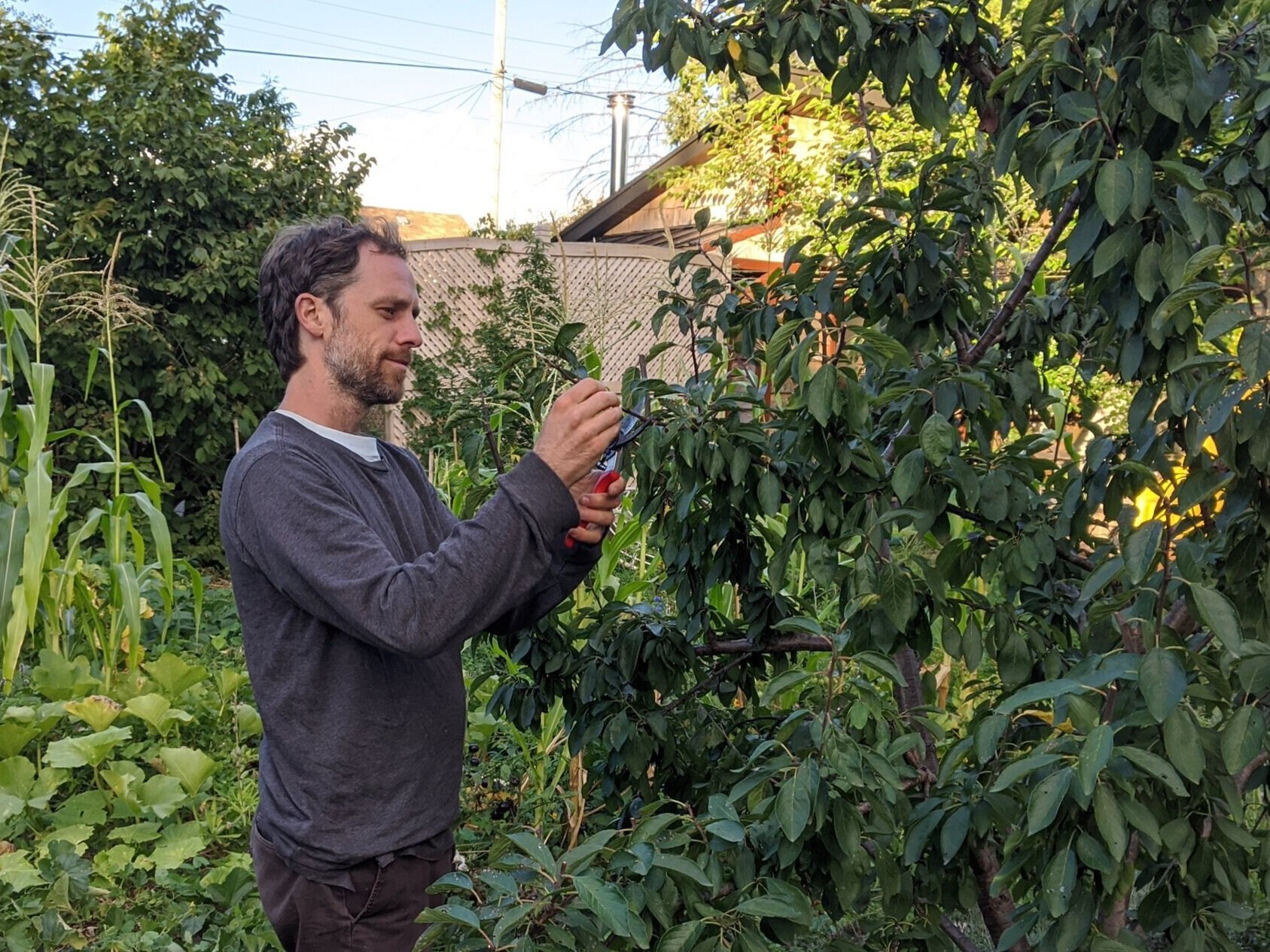
Ep. 171 : Matt Soltys, The Urban Orchardist
I sat down with an old friend, Matt Soltys, otherwise known as The Urban Orchardist, for a conversation about his work as an orchardist, and his business helping folks start growing their own.
We spoke about food sustainability, local food culture, how fruit trees help sequester carbon, build community and of course, give food.
Ep. 170 : Early Autumn Update
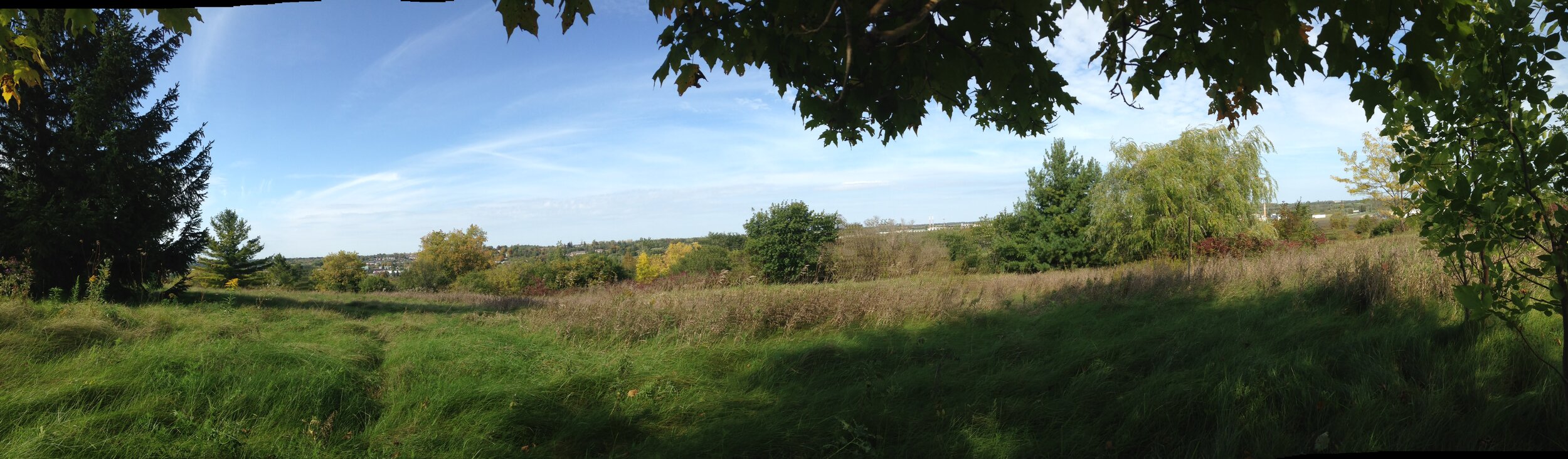
The seasons are changing and it’s getting a little more obvious everyday. I have been watching life turn over the past couple of weeks and it’s been lovely. I went out on Saturday, sat under a Sugar Maple (Acer saccharum), and watched the wind move through the grass.
This weeks show I try my best to share what I have been learning about in regards to my local landbase, as well as trying to remember some of the highlights from my lost interview with Olivia Messinger Carril and Joseph S. Wilson about their book Common Bees of Eastern North America. It wasn’t the same, but it was ok. And the book is still just as good. I am grateful for that.
Ep. 169 : Bumble Bee Recovery Program
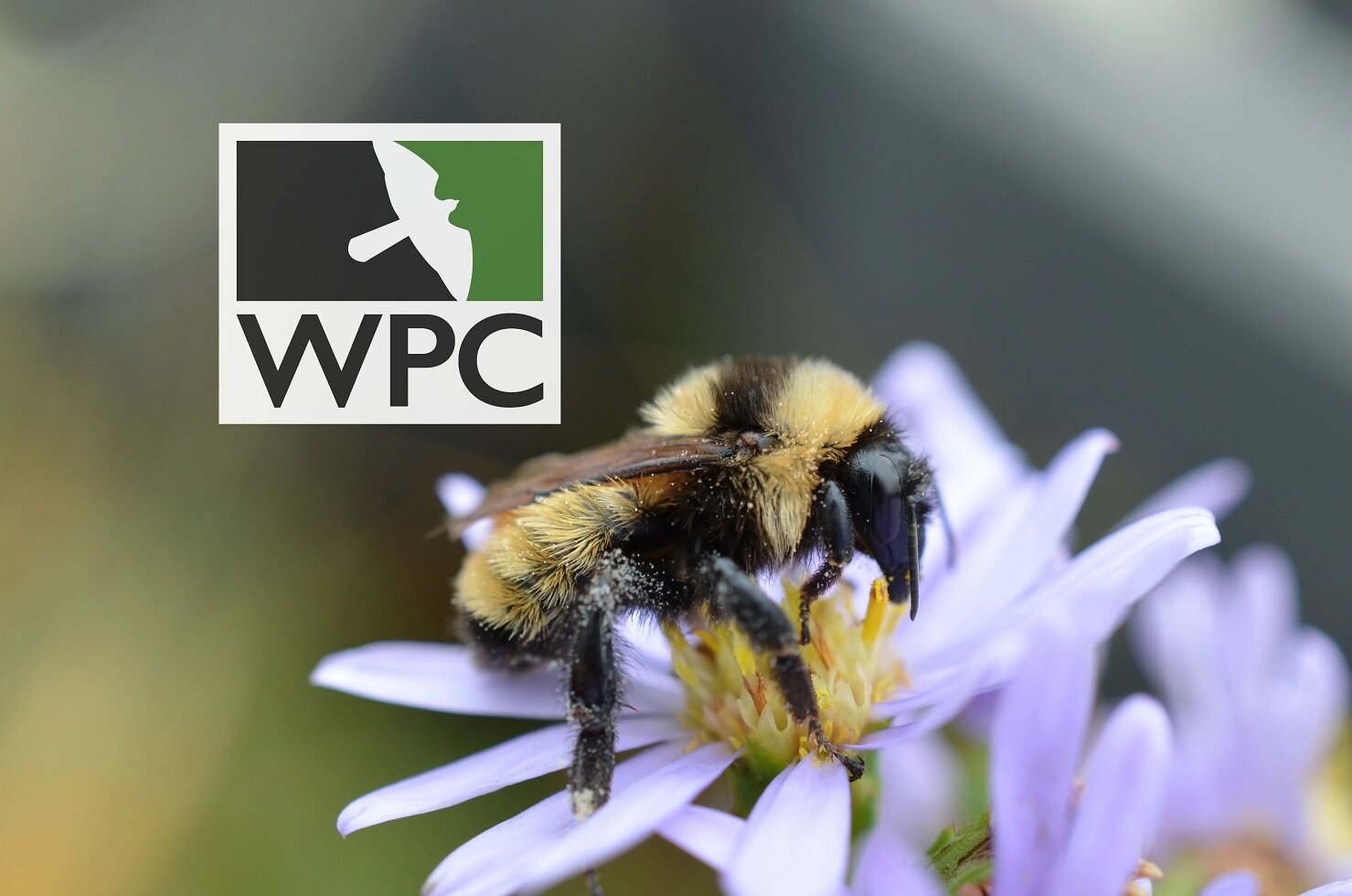
Bumble Bees (genus Bombus) are a diverse genus of Bees. It can be a confusing process not only trying to decipher the genus of a Bee, but especially down to the species. Now how about trying to i.d. a increasingly hard to find species? Its hard. Its harder still to try and help these bees get back into the mating game, supporting their regeneration and helping them help reinhabit the places where their populations were once more common.
Tiffani Harrison is the conservation outreach and field biologist with Wildlife Preservation Canada. She and her teams have been surveying various sites across Canada in search of Bumble Bees, to gather Queens for the breeding Bumble Bee Breeding lab in efforts to learn more about how to support some seriously declining species.
Ep. 168 : Peterson Field Guide to North American Bird Nests with Casey McFarland
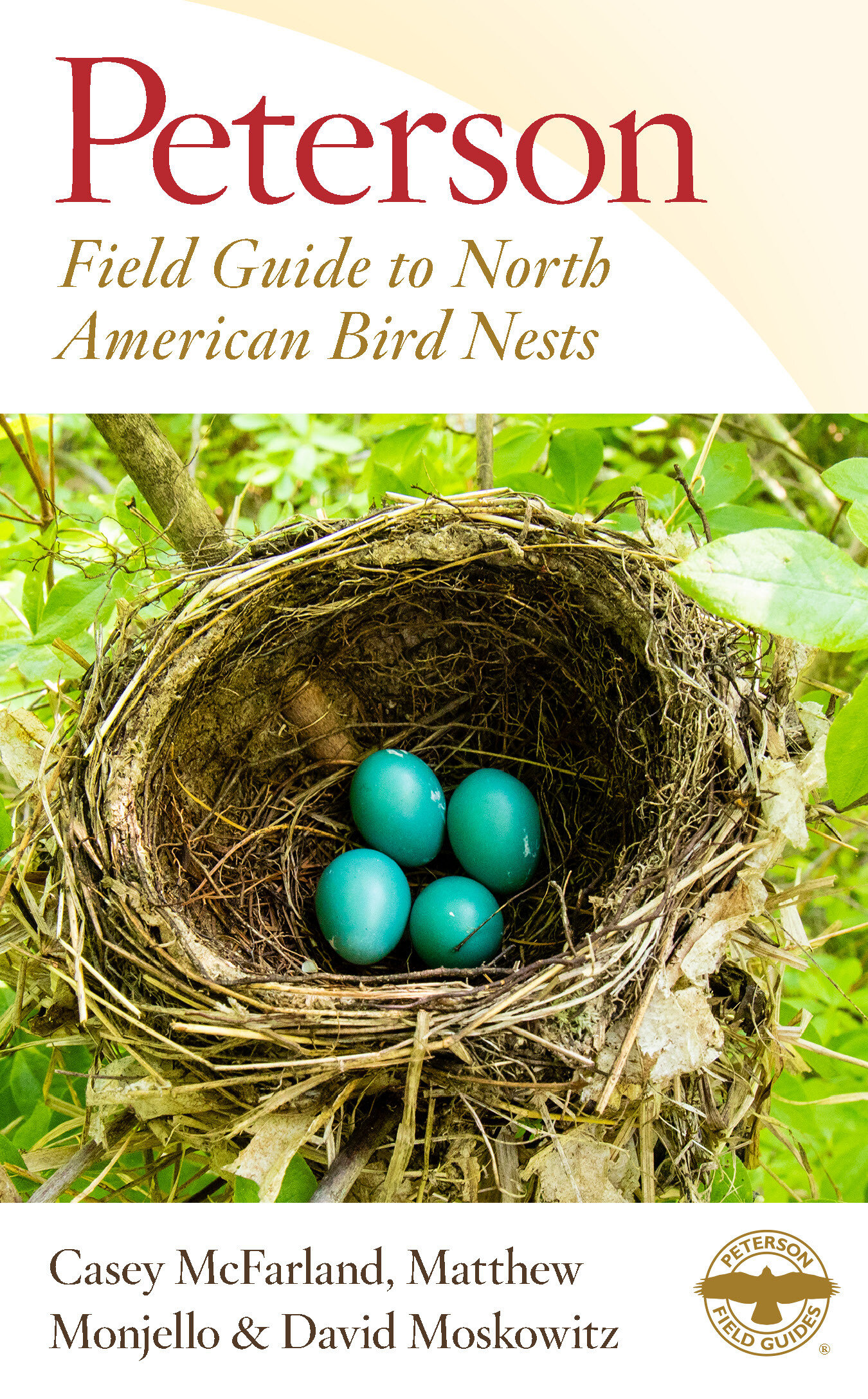
Casey McFarland, Matthew Monjello & David Moskowitz have come together to revamp the Peterson Field Guide to Bird Nests. In one (kinda thick) package they managed to fit descriptions of over 650 bird species along with beautiful high quality photos of many examples of the varied avian architectures discussed.
Casey McFarland joined me for a great conversation on what it took to make the book happen. We discuss the legacy Hal H. Harrisons work and how his book inspired a lot of what Casey, Matt, and David wrote, but also they were determined to find new practices that weren’t as invasive in their search for beautiful shots of nests and eggs.
Shout outs to Matt Monjello and David Moskowitz who could not be apart of the interview.

Ep. 167 : Black Walnut
Black Walnut (Juglans nigra) is a tree I have been building relationship with for years. Through gathering, processing, storing, cooking, dyeing, planting, distributing and educating, this has been a plant I have come to know a lot about, and with whom I have shared some of myself with. I do not know Walnut in all stages (I long to know the flowers more), and I do not know the post glacial dispersal (it’s always nice to learn the backstory), I am slowly coming to understand the more than human relationships this tree has with the world around them. I am also deepening my understanding of the complex relationships this plant has with humans.
Ep. 166 : Song of the night
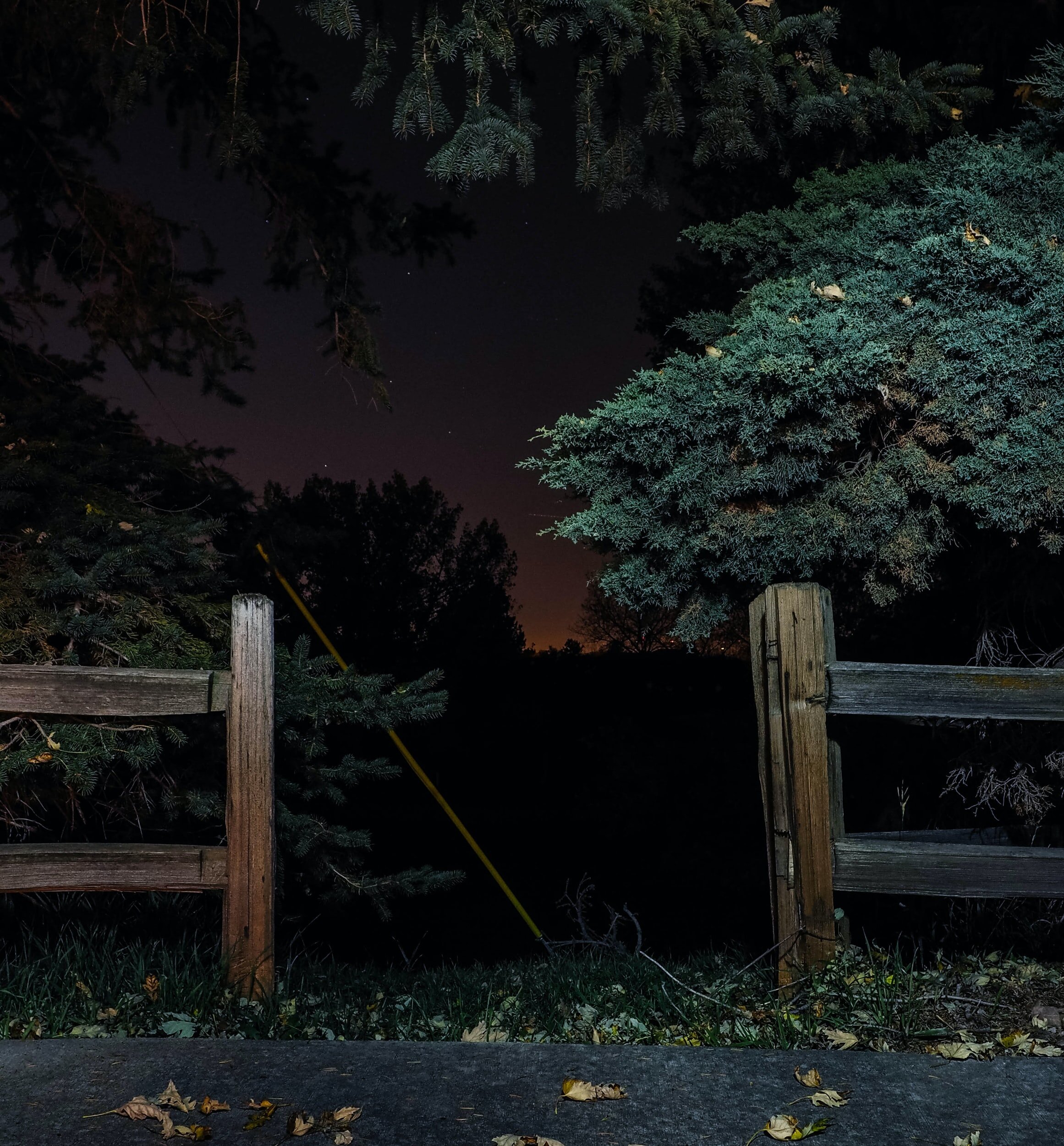
For most of my life I have enjoyed biking and walking through the trails at night. There is a special beauty that glows faintly at night and I have longed to share that with friends ever since I was old enough to spend the night out by myself. It took me by surprise when I realized that others couldn’t get out as I did. They held back by more than subtle threats and stories told to keep folks in their place.
The show this week is about sharing the sounds I came across recently on late night forays down to the river by my house and in my backyard. I recorded these in hopes to offer them as chances to participate in the space of the night for folks who can’t get out there for whatever reasons.
I hope you enjoy.
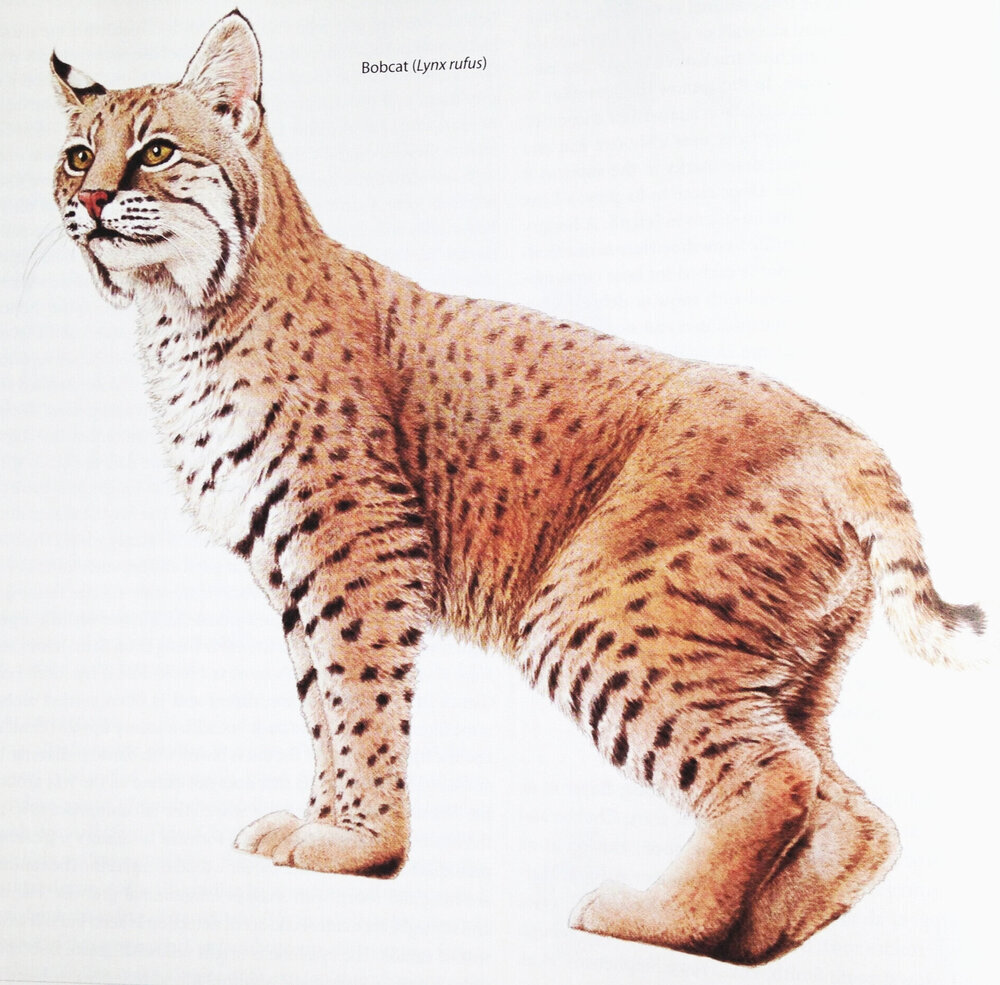
Ep. 165 : Bobcat (Lynx rufus)
I went up to Point Grondine with my partner last week and while there we saw lots of great flora and fauna. Cardinal Flower, Bunchberry, Bristly Sarsaparilla, Bluebead Lily, among so much more beautiful flora. Some of the fauna included Bears, Beavers, Porcupines, possible Wolf scat, Moose tracks... but also one night we were woken up by an animal going through one of our bags. Later, we met other campers who were camped near us who had a similar encounter. Of course I tracked the animal through our site in the morning. Who did the tracks say it was? And who did the neighbouring campers see by flashlight in the middle of the night? It was a Bobcat.
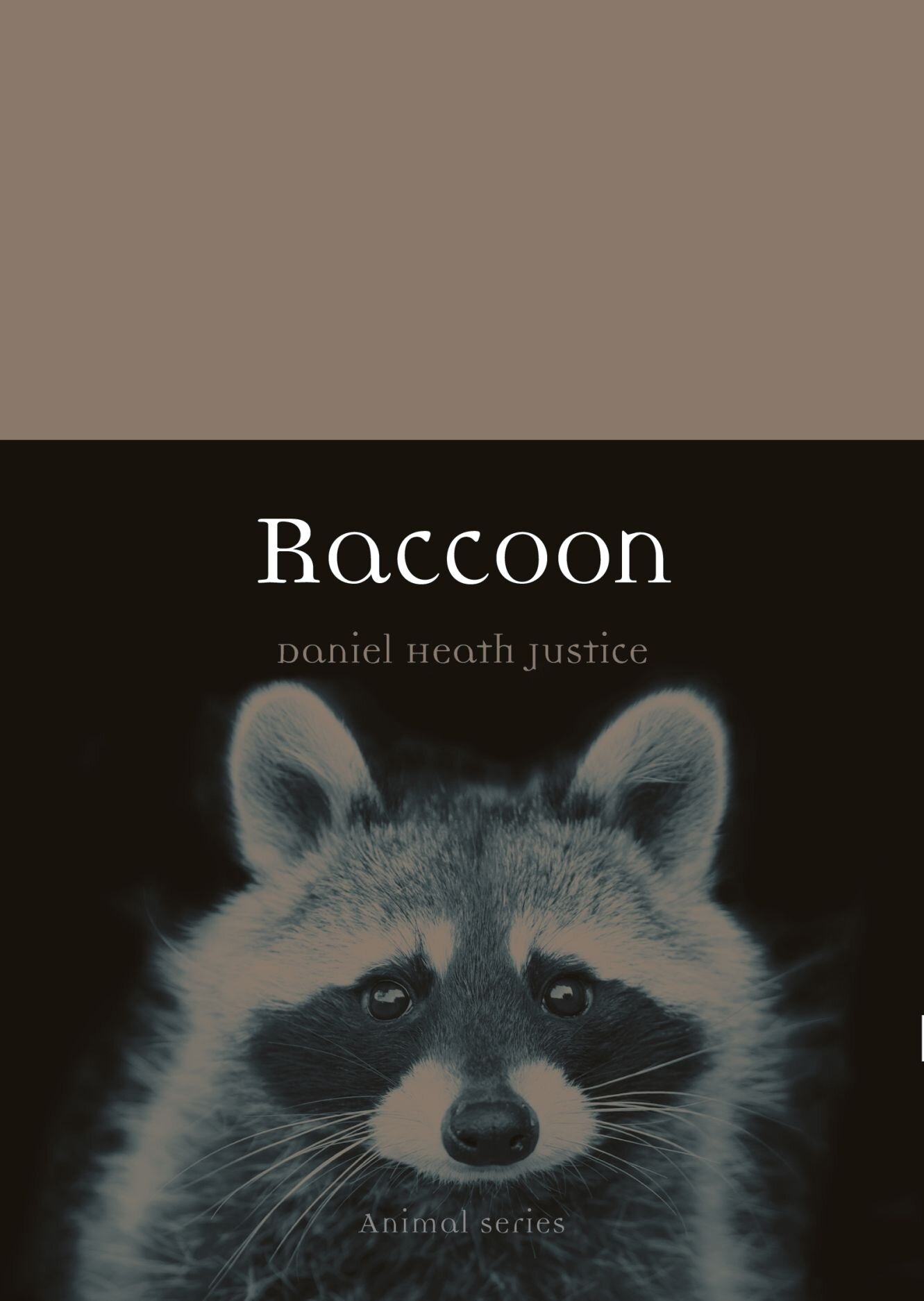
Ep. 164 : Cultural histories of Raccoons with Daniel Heath Justice
Who would have thought that a small woodland creature would have made such an impact on the land, hearts, minds, and cultures of those who have encountered them.
Author, professor and animal nerd Daniel Heath Justice helps us navigate the wild cultural impacts and impressions of Raccoons. Raccoons are imprinted on the imaginary as “category-defying, rule-breaking and boundary-breaching beings”. They are models for both lean, resilient, images of the noble wild as well as pestilent dumpster dwelling “trash pandas”. Queer creatures indeed.
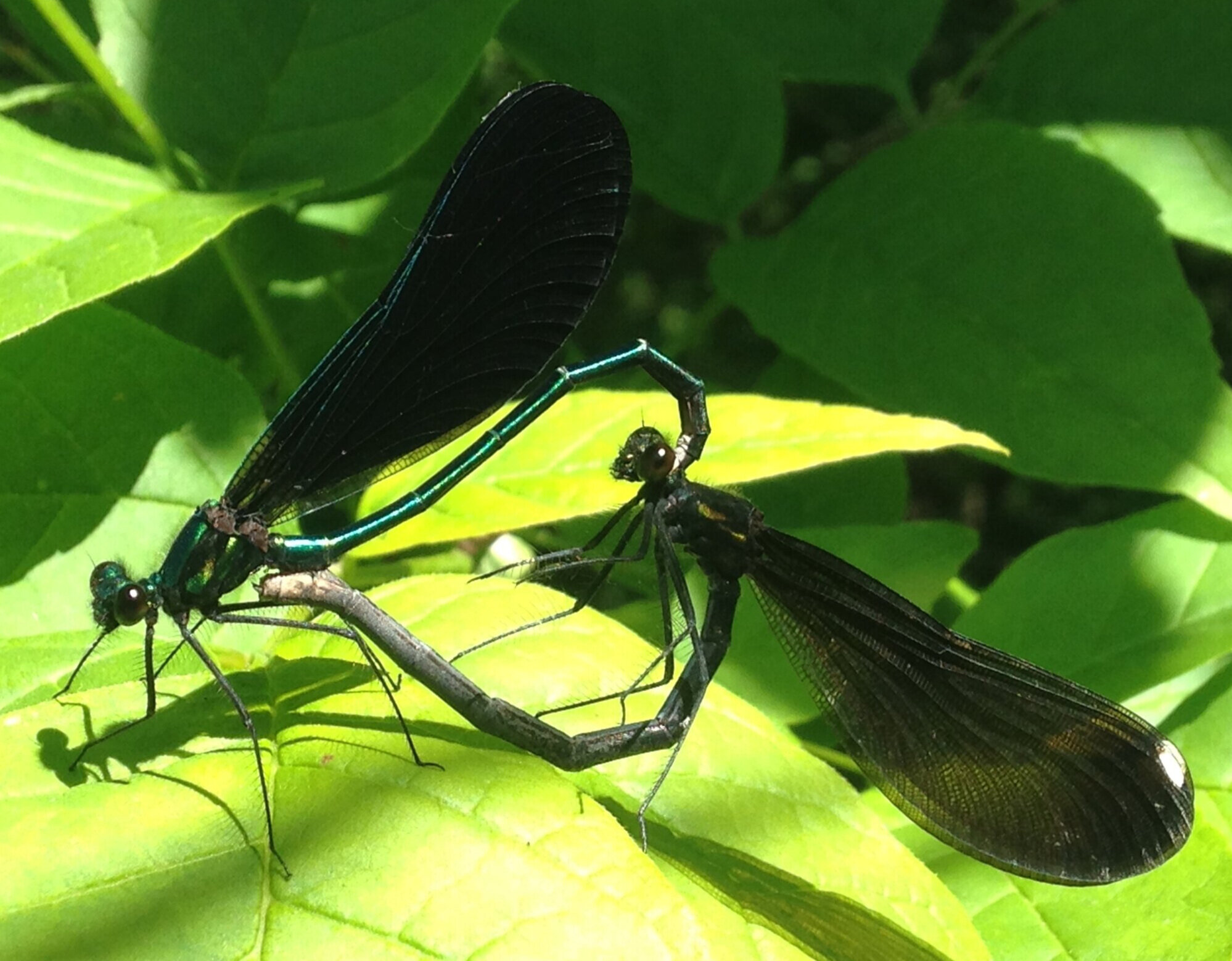
Ep. 163 : Ebony Jewelwings
Ebony Jewelwings (CIalopteryx maculata) are beautiful, which is one of the reasons they are so interesting to watch. I have seriously sat for hours watching them, photographing them and trying to learn from observing what is going on. I have mostly come away with questions.
In light of my own questions and many from friends I have decided to try and research a little bit more about these beautiful broadwinged Damselflies in hopes that I can learn a little bit more and help answer some of those pressing questions.

Ep. 162 : Talking trees with Dawn Matheson
Dawn Matheson wants to start connecting with trees, or a specific tree rather, at the University of Guelph Arboretum but she’s unsure which one yet. There is a process to get to know a tree and she is in the midst of sorting out that process. How do you find a friend in a tree when the culture around us says humans and trees can’t be friends? Well, she makes friends with other humans who are already friends with trees and starts from there.

Ep. 161 : Approaching Nonhuman Ontologies with Dr. Sarah Abbott
If you have listened to the show in the past you’ll know that I am interested in interspecies communication. Usually I focus on animals, especially birds and bird language. Dr. Sarah Abbott is also interested in interspecies communication, and recently completed her doctoral research project with a focus on communication between humans and trees. I thought this was exciting, so I had to find out more.
Dr. Abbott and I spent a couple of hours just “webbing it out”, wondering for answers; it was a non-linear conversation, echoing miles of mycelial threads searching out nutrients in the dirt beneath the perceived forest… just the right way to talk about talking with the trees.

Ep. 160 : Bird Collective
Tina and Angie are “the Wizards behind the curtain” of an awesome company based out of Brooklyn called Bird Collective. They make beautiful patches, t-shirts, sweaters and hats and more celebrating birds from across the continent while also donating 20% of the proceeds to conservation organizations and other projects that help make the world of birding more accessible to everyone.
Our outfits show who we are and what we’re into. Why not make it count by sporting a fav pastime of birding, and by supporting amazing conservation projects?
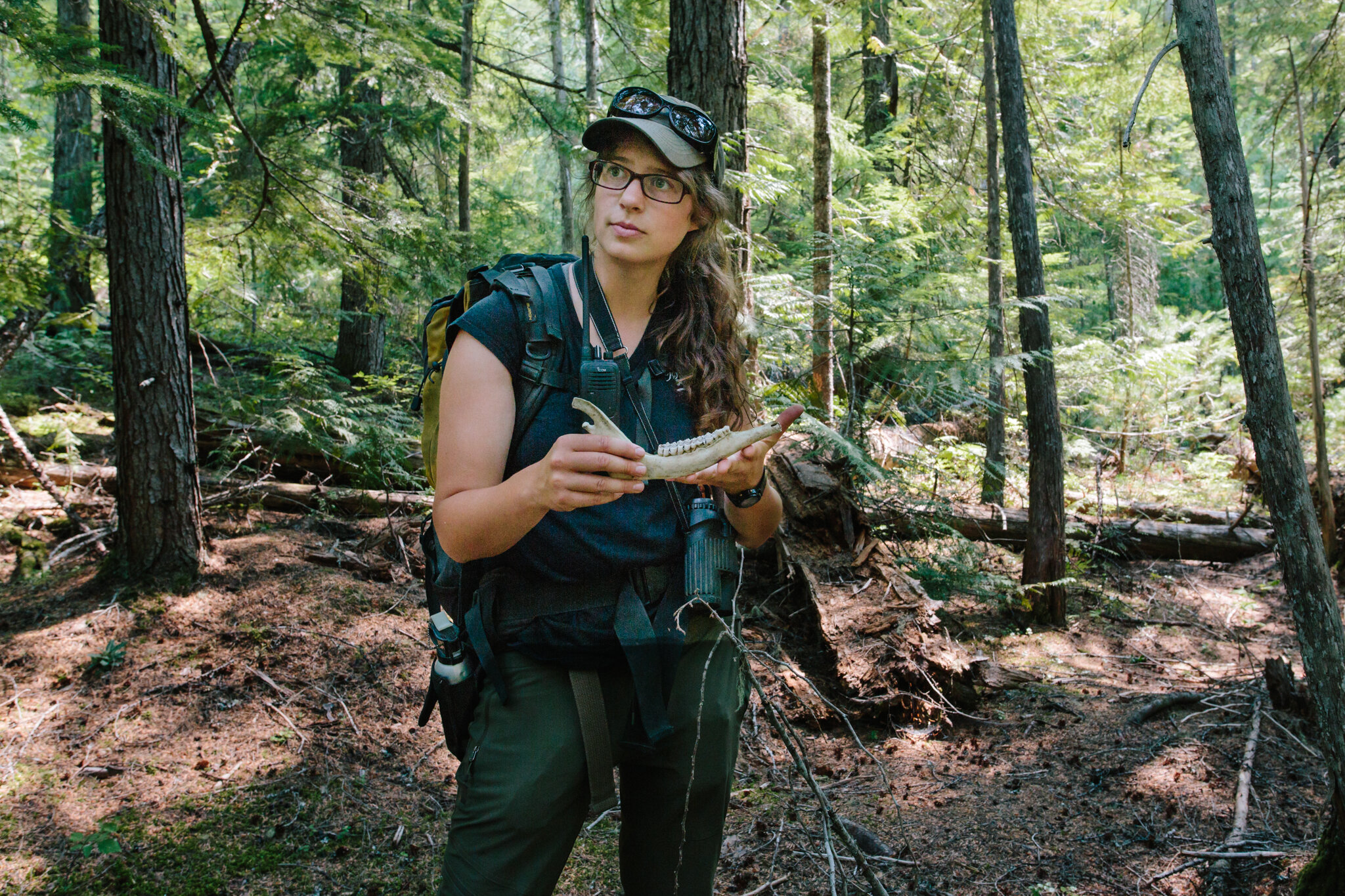
Ep. 159 : Tracking Urban Adapted Coyote Ecologies with Sage Raymond
Certified wildlife tracker Sage Raymond, is completing her Masters of Science studying Urban-adapted Coyote ecologies in Edmonton. She has been working with colleagues on the Edmonton Urban Coyote Project studying the patterns and behaviours of these urbanized Coyotes in hopes to be better able to predict, and reduce some of the possible problems or conflicts which could occur between these wilder animals and human/pet populations.

Ep. 158 : Challenging the use of Predicides in Canada
Wildlife biologist, Hannah Barron and lawyer Kaitlyn Mitchell have been working to defend Wolves, Coyotes, Bears, and Skunks, among many other animals from being poisoned in Saskatchewan and Alberta. Together, we talk about why the use of poisons to deter these animals doesn’t work, can’t work, and why the poisoning of predators (“predicide”) in attempts to control them needs to be banned. This is a hard one to listen to at times, so please take care.

Other platforms where you can listen to the show :


As well as : Pocket casts : RadioPublic : ListenNotes : Podcast Republic