

A show about relationships with the land
There are many ways to listen to the show: Listen live on CFRU 93.3 fm broadcasting from the University of Guelph Mondays at 6pm EST or listen to the podcast via Spotify, Apple, or just follow the rss feed.
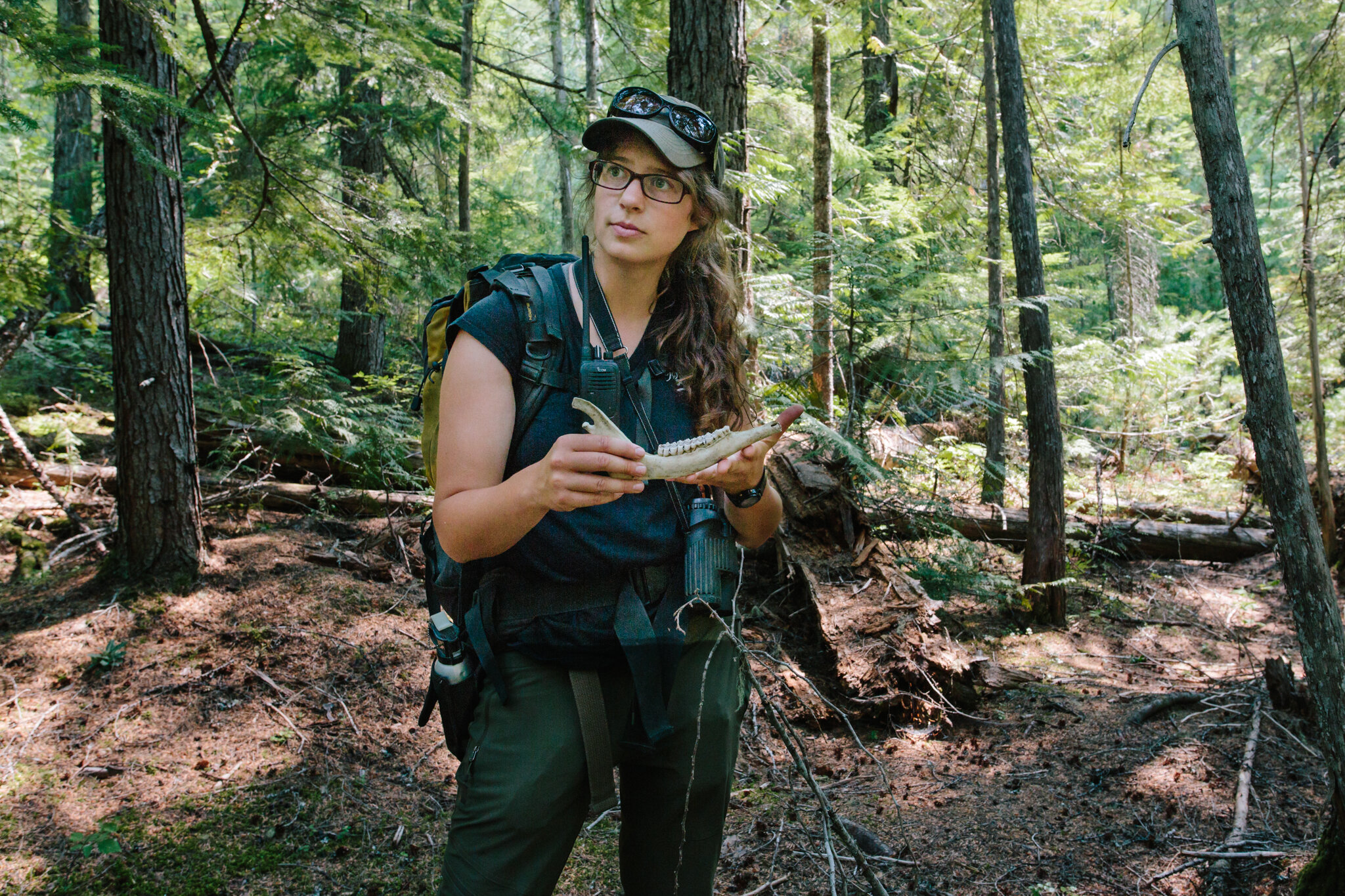
Ep. 159 : Tracking Urban Adapted Coyote Ecologies with Sage Raymond
Certified wildlife tracker Sage Raymond, is completing her Masters of Science studying Urban-adapted Coyote ecologies in Edmonton. She has been working with colleagues on the Edmonton Urban Coyote Project studying the patterns and behaviours of these urbanized Coyotes in hopes to be better able to predict, and reduce some of the possible problems or conflicts which could occur between these wilder animals and human/pet populations.

Ep. 158 : Challenging the use of Predicides in Canada
Wildlife biologist, Hannah Barron and lawyer Kaitlyn Mitchell have been working to defend Wolves, Coyotes, Bears, and Skunks, among many other animals from being poisoned in Saskatchewan and Alberta. Together, we talk about why the use of poisons to deter these animals doesn’t work, can’t work, and why the poisoning of predators (“predicide”) in attempts to control them needs to be banned. This is a hard one to listen to at times, so please take care.
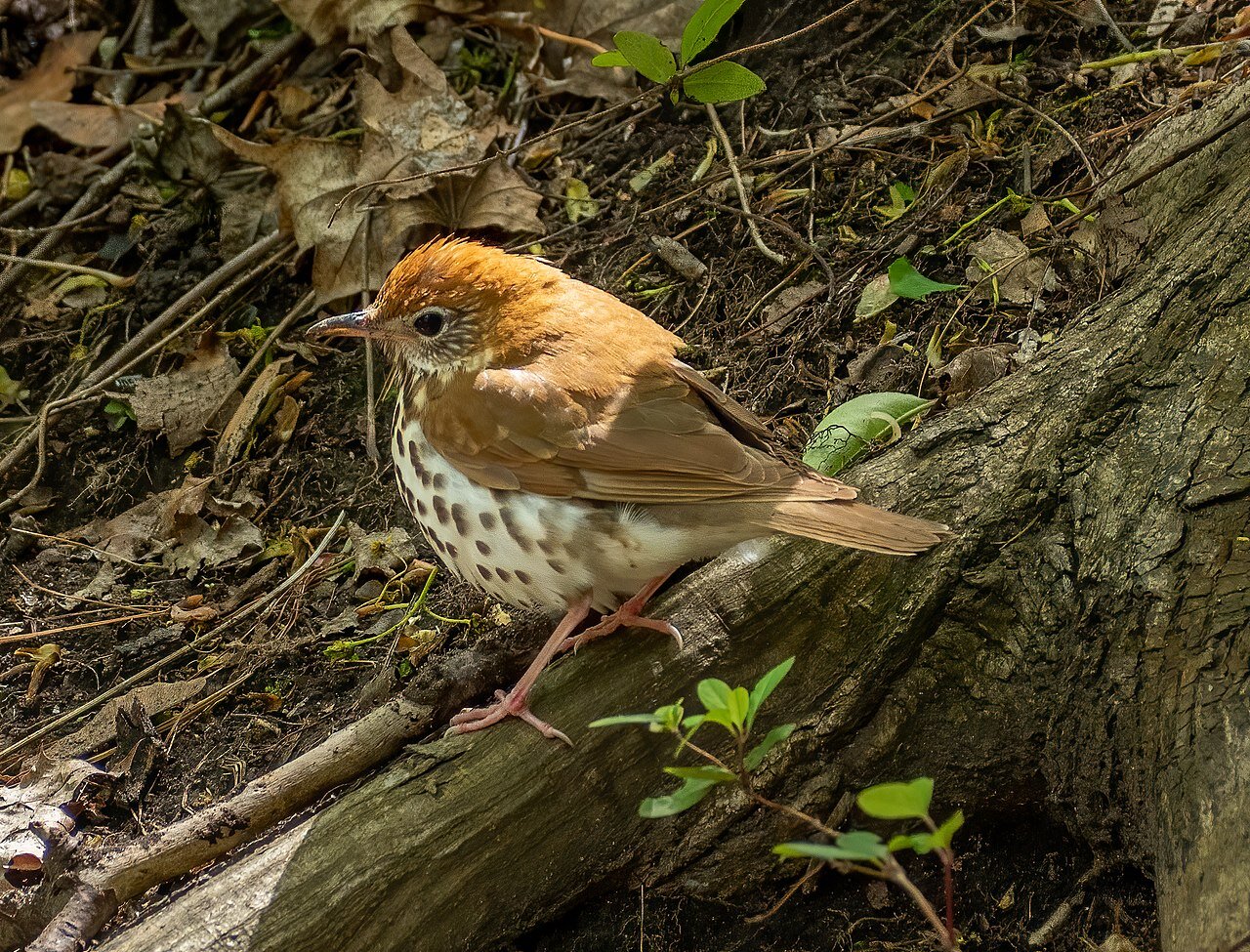
Ep. 157 : Wood Thrush
I await the arrival of the Wood Thrush (Hylocichla mustelina) with a little bit more anticipation than most other birds. As I wander through the woods looking for tracks of animals or signs of Spring’s return, my ears are always tuned in to the possibility of the high liquid sound of a Wood Thrush’s song, perhaps the most beautiful song in the Spring forest around here.Recognizing that I am in love with a song, I wanted to look into the bird who sings it a little deeply, learn a little more about their ecology, and understand something about their lives and how they may go about living it. So, this week’s show is about the Wood Thrush, a favorite bird this time of year.
Hopefully you live in a place where you can hear these beautiful songs, but if not, listen up and you just might fall in love as well.

Ep. 156 : WITCHBODY with Sabrina Scott
Can we imagine a living piece of trash? Can we remember that magic exists and flows through all things, including that trash, the sidewalk, the tires sunk in the bottom of the river? Maybe respect and honour are not just for the pretty things, the magical things like a candle, or a plant, or the multitude of stars.
Sabrina Scott asks us to take all beings into account, allowing for their identities to remind us that the world is a breathing, heaving, mass of being - from our own bodies we hold so high, down to the vaccines and microbes which populate all things.
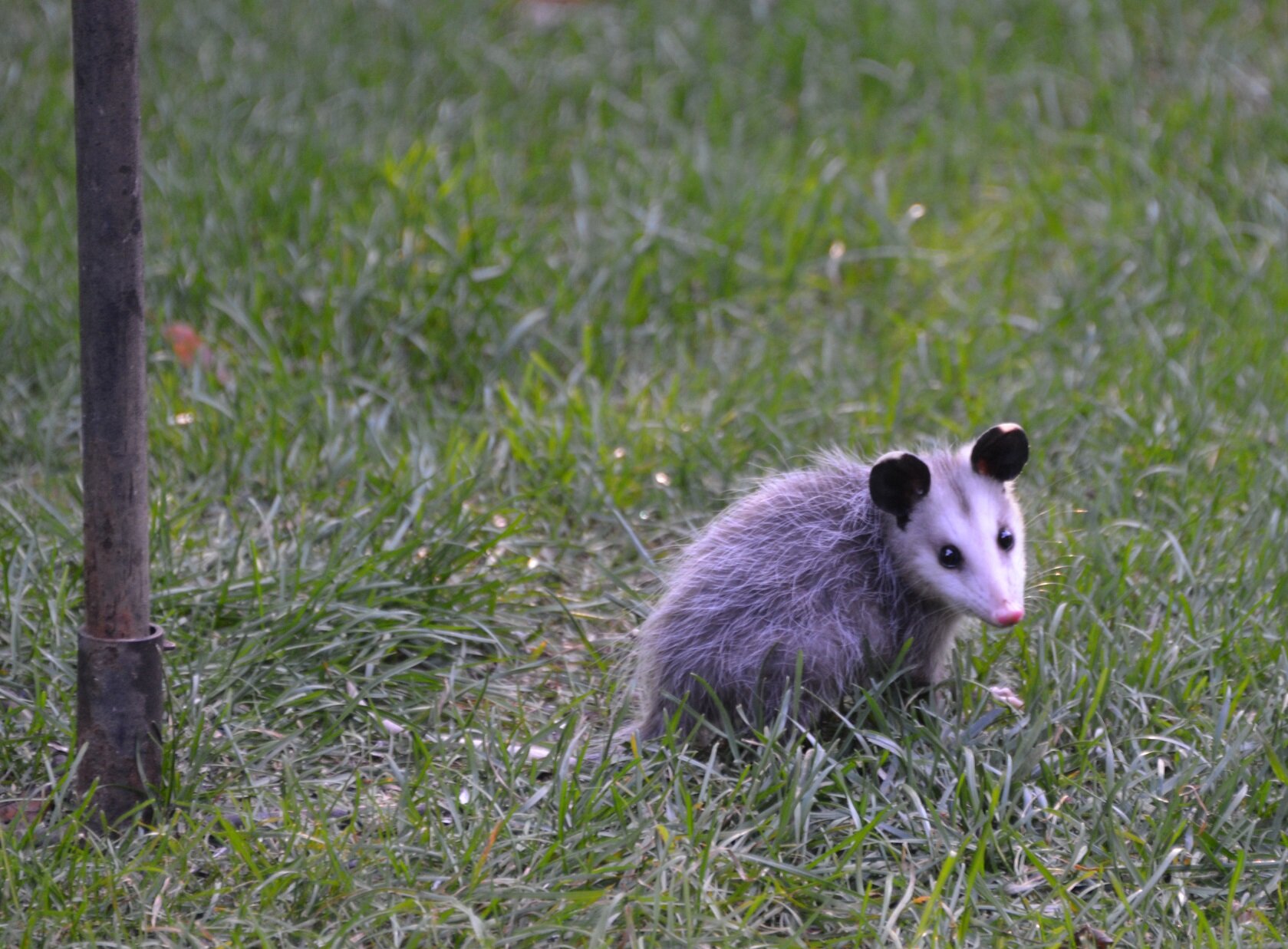
Ep. 155 : Lisa Walsh and Contemporary Range Expansion of the Virginia Opossum
The Virginia Opossum is of the most amazing mammals on the continent. These marsupials are slowly but surely expanding their range northwards, despite winters which can be so hard on the Opossum that they can freeze, or starve to death. Why are they expanding their range? Are they adapting beyond their traditional climate niche?
For this show we talk to Dr. Lisa Walsh, a mammalogist and biology educator about the wonderful natural history of the Virginia Opossum, how anthropogenic changes to the landscape are influencing their behaviours, and of her research about the processes of their ongoing range expansion.
Ep. 154 : Voices of the Spring Birds
Every year around this time I get to practice listening to the birds. I go and do my sit spot, or go for a walk and listen intently to try and notice who has returned to my part of the world from away, or who has been here all winter, but is now singing out.
This tradition is about relationship building through active listening and paying attention. We can’t know someone without listening to them, without giving them attention and acknowledging them. By listening to the birds and working towards understanding them we start to identify their needs, “desires” and habits. By listening to a human friend we do the same. Through this identification we might also develop empathy and care, compassion and love. Seems worth the listen to me.
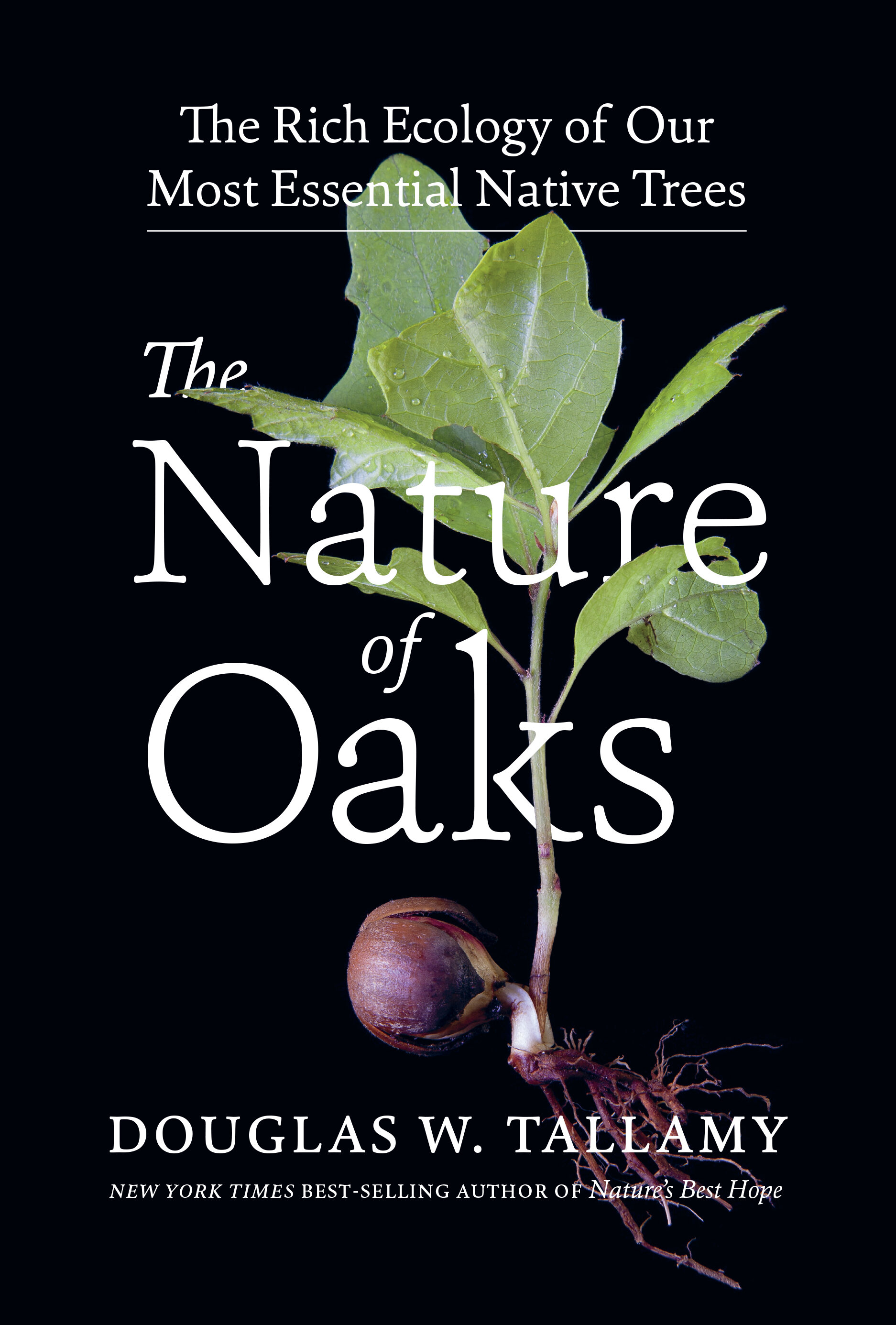
Ep. 153 : The Nature of Oaks with Doug Tallamy
Doug Tallamy’s new book “The Nature of Oaks : The Rich Ecology of Our Most Essential Native Trees” is a month-by-month study of the ecology of Oaks. A perennial dive into the cycling inhabitants and visitors to Oaks throughout the year. While not quite a field guide, the book does offer detailed explanations, accompanied by large colour photographs, on a multitude of various insect and bird species who are interacting with the Oak.
This book, and interview, are full of natural history of the Oaks, as well as a call to action for those who have the means to plant an Oak.
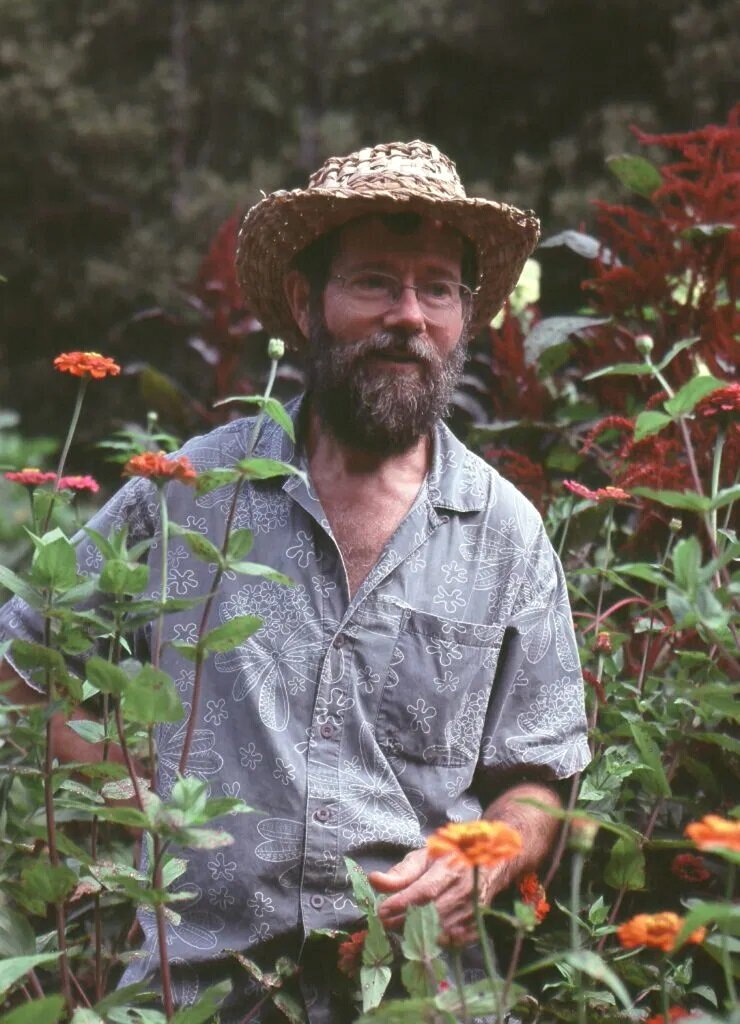
Ep. 152 : Naturalist, Herbalist, Storyteller Doug Elliot
Doug Elliott is a pretty cool guy. Well, to be honest he’s what I want to be when I grow up. A story telling, plant loving, naturalist whose passion for nature and love for the land inspire all sorts of folks across the continent.
I first heard about Doug from one of his books many years ago, “Wild Roots”, but recently have been coming across his name more and more, whether it was through storytellers, or virtual singalongs, people are sharing his words.
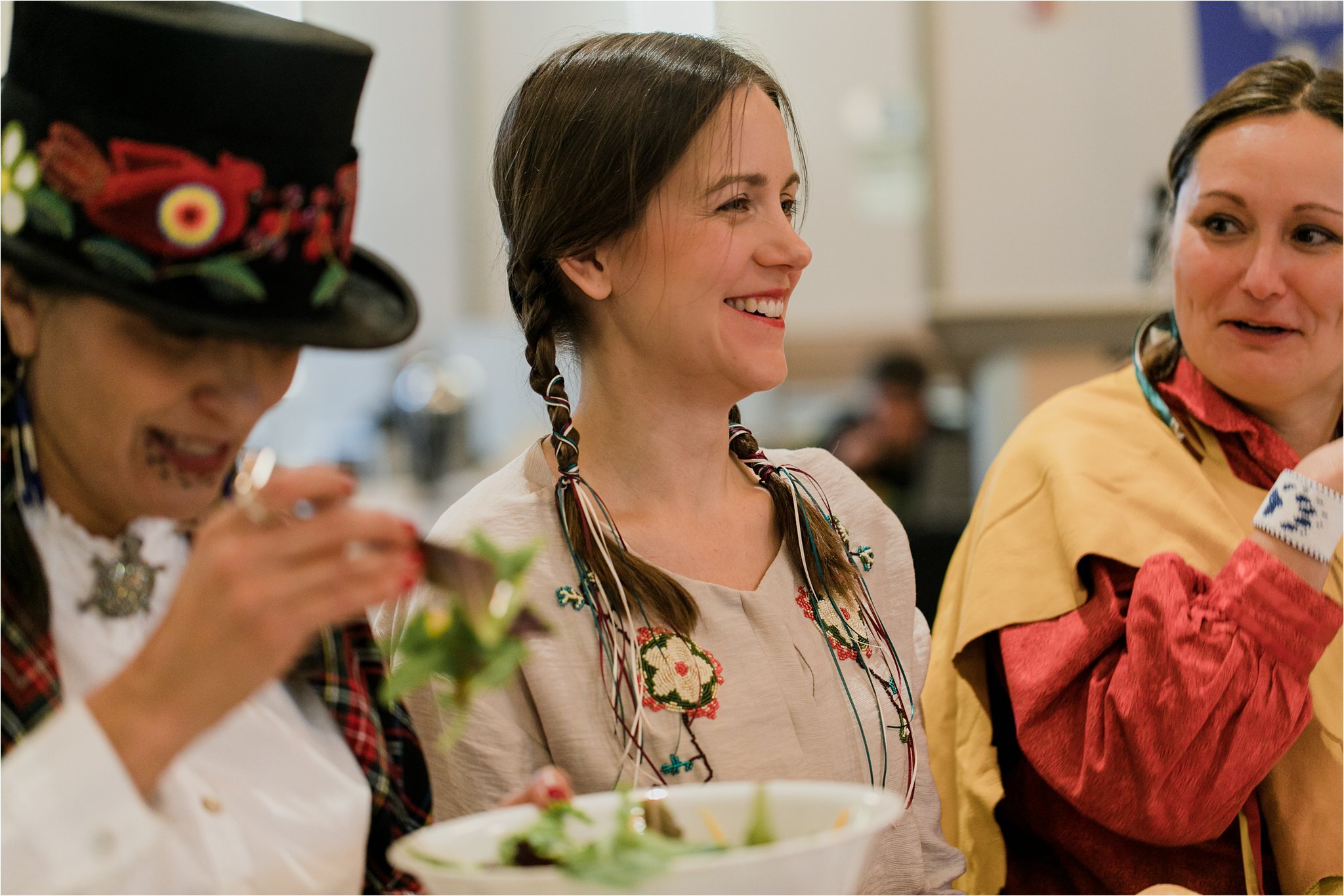
Ep. 151 : Nokom’s House
Dr. Kim Anderson, Dr. Sheri Longboat and Dr. Brittany Luby are the driving force behind Nokom’s House, a new lab in development at the University of Guelph. Together with a community of elders they are establishing an indigenous learning, sharing, teaching space which will be using relational pedagogies, community research, and land-based learning to make home for cultural recovery, inter-generational training, and the creation of indigenous futurities.
On the show we hear why there is a need for Nokom’s House within the academic setting, what the cultural architecture of safety can look like for marginalized students, the roles of women, especially older women, have within indigineous communities, and also why there needs to be spaces specifically for indigineous people on the University of Guelph campus, within the city of Guelph, and further afield.
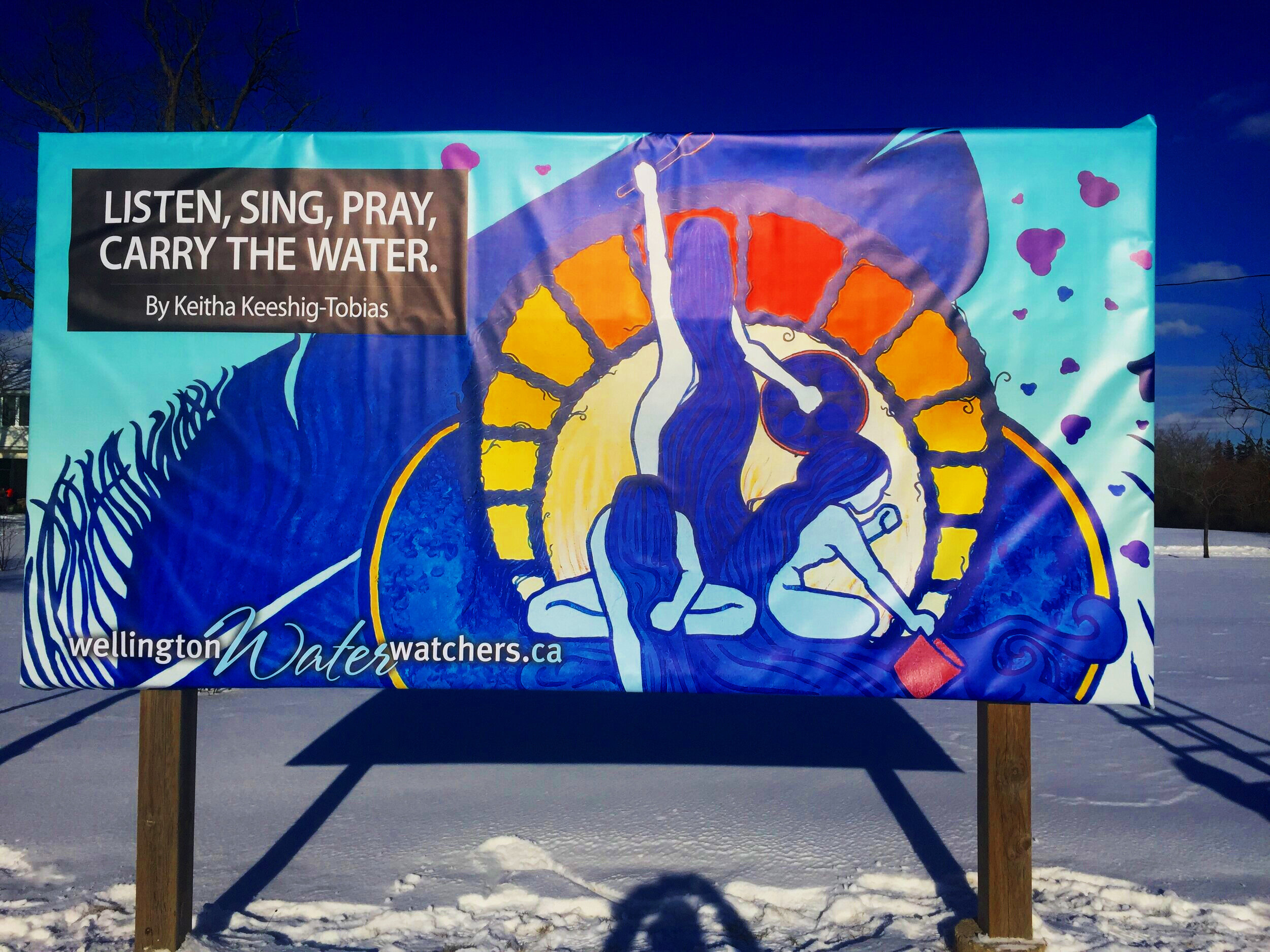
Ep. 150 : Wellington Water Watchers
Wellington Water Watchers (WWW) is a grassroots organization working towards protecting their local water. Through centering indigenous and marginalized struggles as a lighthouse to current and future Water Watchers campaigns, and through developing partnerships with other seemingly disparate local organizations, they have been working to challenge the destructive machinations of bottled water corporations (Nestle specifically), developers, and provincial and federal governments who have been neglecting or outright attacking safe clean drinking water and the natural habitats where that water comes from.
Arlene Slowcombe, executive director of Wellington Water Watchers, talks on the show about how they and their allies are working to protect water and oppose those who would endanger not only the most precious and vital of “resources”, but the key to all life on earth.
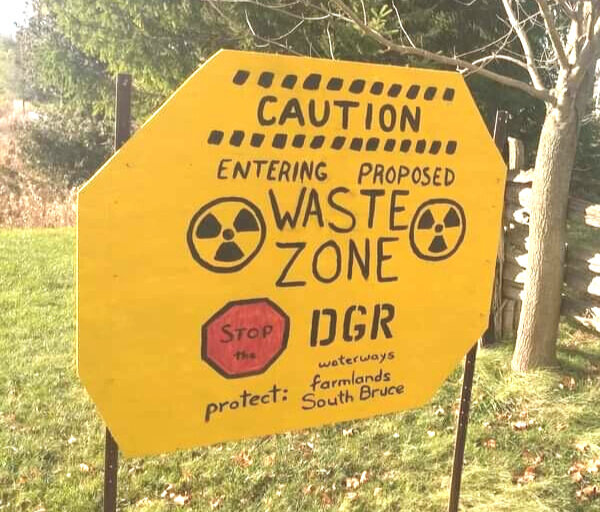
Ep. 149 : No Nuclear Waste Dump in South Bruce!
About 30 km from Lake Huron, there is a proposal to dig a 500m mine (“deep geological repository” or DGR) on 1500 acres along the Teeswater River. Nuclear Waste Management Organization (NWMO) wants to fill the mine with radioactive waste with a half-life of up to 1,000,000 years.
Thankfully there are folks resisting the proposed nuclear waste dump. Today’s show I talk to Michelle Stein and Bill Noll from “Protect Our Waterways - No Nuclear Waste” to find out what the proposed project is all about, and how they are working with their neighbours, both near and far, indigenous and settlers, from both sides of Lake Huron, to challenge the NMWO and the proposed DGR.

Ep. 148 : Hazel Wheeler from the Eastern Loggerhead Shrike Recovery Program
Eastern Loggerhead Shrikes are an endangered species. Recent population analysis indicates that there may be only 50 breeding pairs remaining in Ontario. But there is work being done to help populations recover. Hazel Wheeler, lead biologist on the Eastern Loggerhead Shrike Recovery Program with Wildlife Preservation Canada has been helping to coordinate captive breeding programs to support the rearing, and release of thousands of Loggerhead Shrikes since 2003.
Hazel joins the show to talk about some of the natural history of the Eastern Loggerhead, along with detailing the recovery project and how they are working hard understand what impacts are affecting the populations, and what they are doing in the breeding programs to assist these amazing and endangered birds.
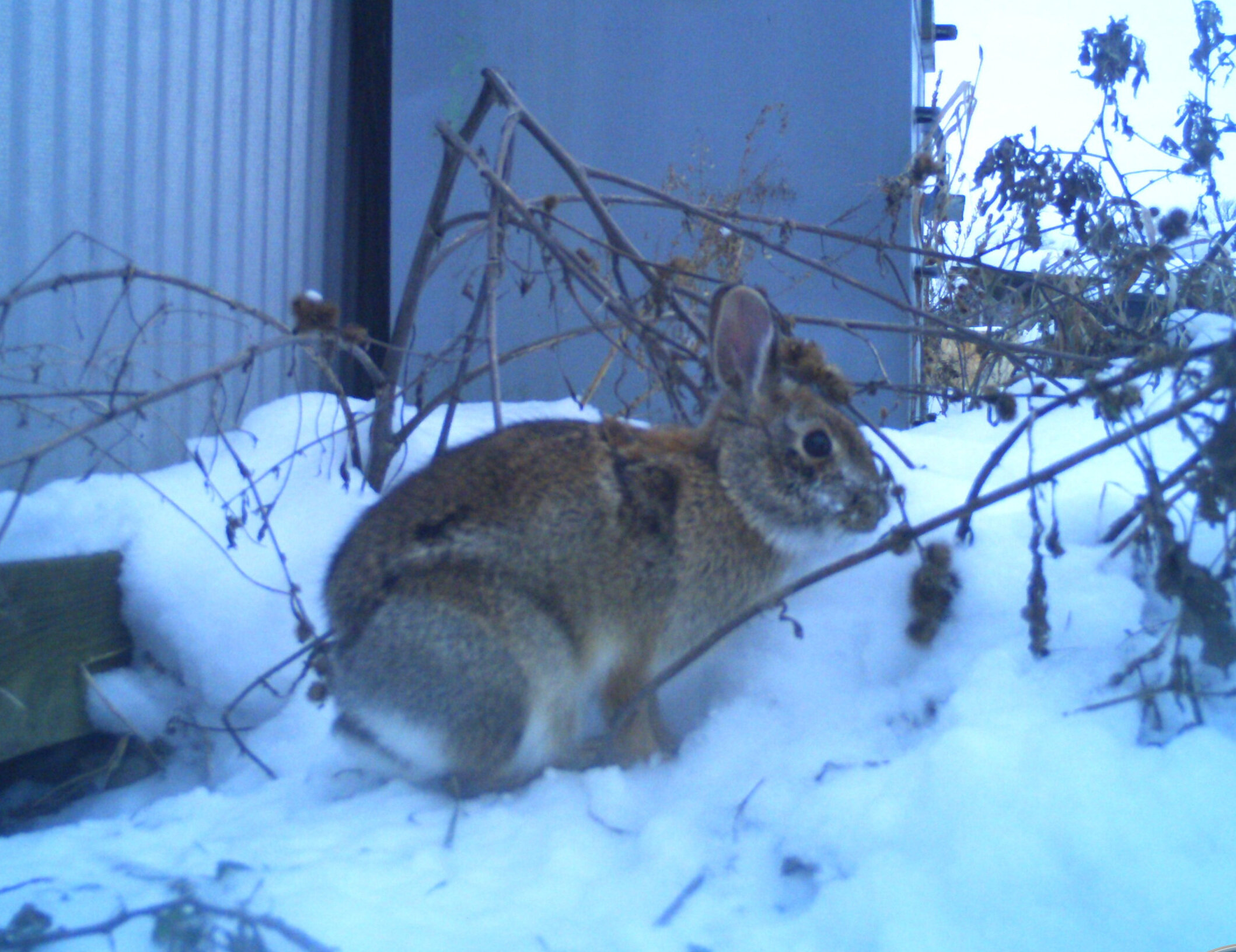
Ep. 147 : Fox and Rabbit predator-prey interactions with wildlife behavioral ecologists Jeremy Pustilnik and Paul Curtis
For this interview I get to talk with Jeremy Pustilnik and Paul Curtis about a recently published paper from the journal “Urban Ecosystems” on the interactions of Eastern Cottontail Rabbits (Syvilagus floridanus) and Red Foxes (Vulpes vulpes) around the use of Groundhog (Marmota monax) burrows and if the scent of Red Fox urine would dissuade the Cottontails from using the burrows.
It was a lot of fun to get to dig in with these two biologists on their research, their experience and their passion for the work.
Ep. 146 : Sophie Mazowita of Tracking Connections
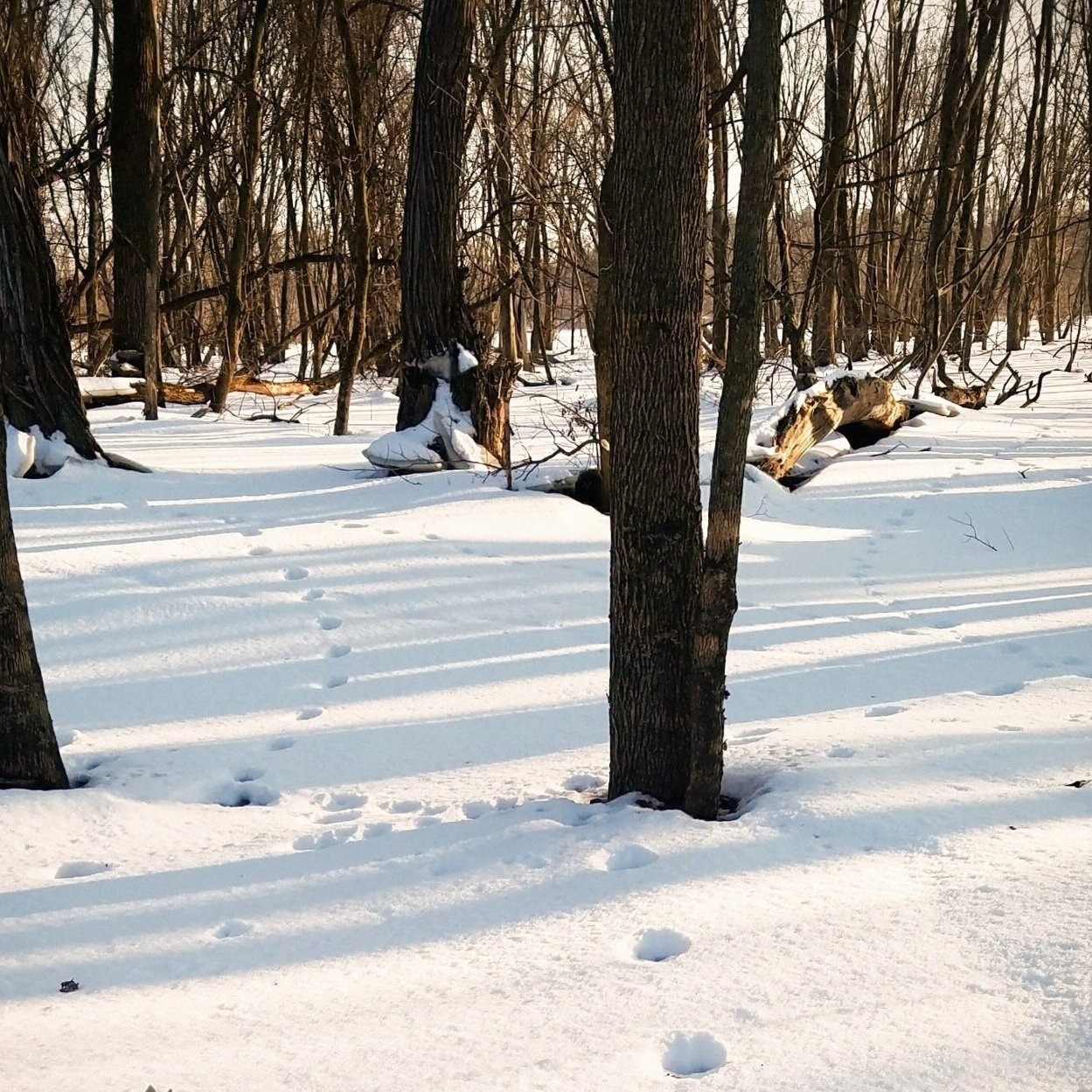
The first show of 2021 is a great one. My guest is Sophie Mazowita, naturalist, educator, wildlife guide, tracker, storyteller and much more. We talk about her journey as a naturalist and a tracker, how she gets off the trail and gets into the wilder world around her.
When I talk to folks about creating cultures of connection with the land, putting in the time, effort and passion into the work of learning ourselves and teaching others, Sophie is right on that. She has been working hard, as evidenced all over the internet with her videos, her career as a naturalist and educator, and her ongoing work getting folks on board with paying attention to the wilder world around them.

SpaceRogue and CyberSquirrel1 (from the archives)
This is an older interview with cybersquirrel1.com creator SpaceRogue on why we need not worry about the threats of nationalistic warlike cyber attacks on the power grid on the continent, but instead we must be more concerned about THE SQUIRRELS!!! (sort of..)
Squirrels, Birds, Snakes, Raccoons have caused 2,123 power outages around the world since 1987, and possibly more. SpaceRogue has been collecting, documenting, and sharing details of these mischievous animal attacks against the power grids. Tune in to hear about how the power infrastructure works in North America and how the wilderfauna are fighting back against “the grid”!
Originally aired April 17, 2017.
Ep. 145 : Winter Solstice
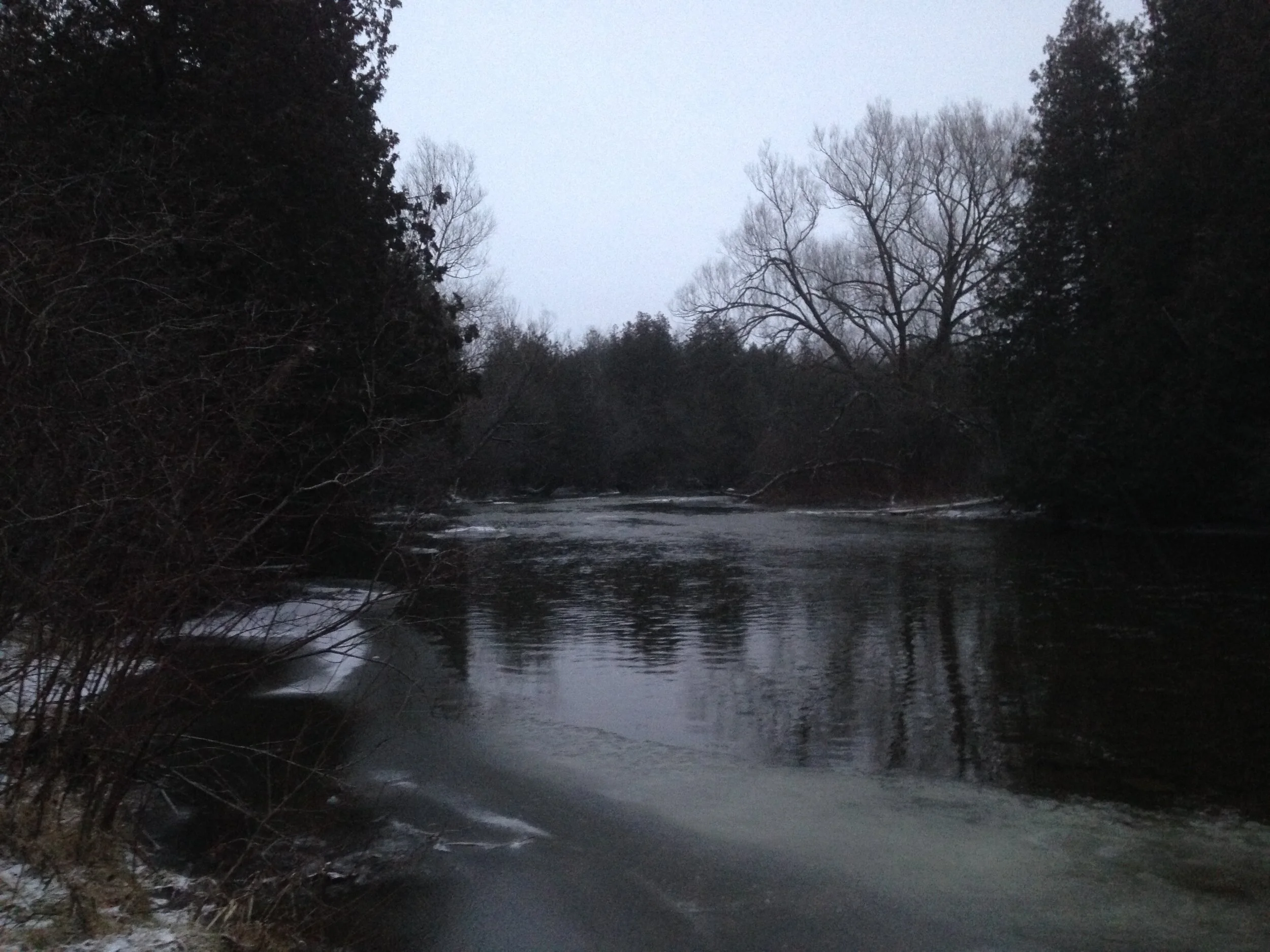
Cycles of the year are very important to me. Spring Equinox is always quickening as you smell the winter dripping away. Summer solstice for dancing with friends throughout the shortest nights. Autumn Equinox is a celebration of the bounty the summer has brought, and a reminder of the coming winter.
But none really carry the weight for me as much as the Winter Solstice. The returning of the Sun fills me with hope and relieves the anxious dark which settles deeper into my bones. It used to be a time of depression and despair, when I only saw death and bad, but as I have learned more about the land, the Winter Solstice has become a quiet promise that this dark, too, will pass.
Ep. 144 : Heather Wilson of Child and Nature Alliance of Canada
The work of Forest schools is becoming a bustling landscape of small organizations and business' trying their best to teach and share alongside the land in the best ways they can. But how do we transplant a European sourced model onto colonized indigenous lands without repeating the same racist patterns of harm? How do we not only stop harm, but work towards healing, reparations, and good relationships with all the communities we serve through the context of learning and teaching on the land?
Heather Wilson is the new (as of Nov. 18, 2020) Executive Director of Child and Nature Alliance of Canada and with humility and grace, Heather shares some of the work she and the CNAC are doing to push Forest Schools towards a more inclusive, safe, meaningful, and culturally relevant option for all stakeholders.

Ep. 143 : Lesley Sampson and Lauren Van Patter on Co-existing With Urban Coyotes
Highly adaptive, intelligent, “wily”, and resilient, Coyote is not going to stop just because our human made landscapes get in the way. In fact, Coyotes make the way for themselves within our constructed spaces, finding edges and cracks and turning them into home.
But how do we co-exist with an animal that so many have feared, hunted and sought to destroy for so long? How can we share the urban environment with a predator? When animals re-occupy the urban in novel ways, or ways that humans didn’t intend, how do we make space for that?
Lesley Sampson of Coyote Watch Canada, and animal geographer Lauren Van Patter share some of their experiences with Coyotes in urban environments, and how they are looking to help communities learn how to coexist with these wonderful animals.

Other platforms where you can listen to the show :


As well as : Pocket casts : RadioPublic : ListenNotes : Podcast Republic